4 Jun 2026
Coordination Techniques for Credit Allocation and Scheduled Invoicing in Online Commerce
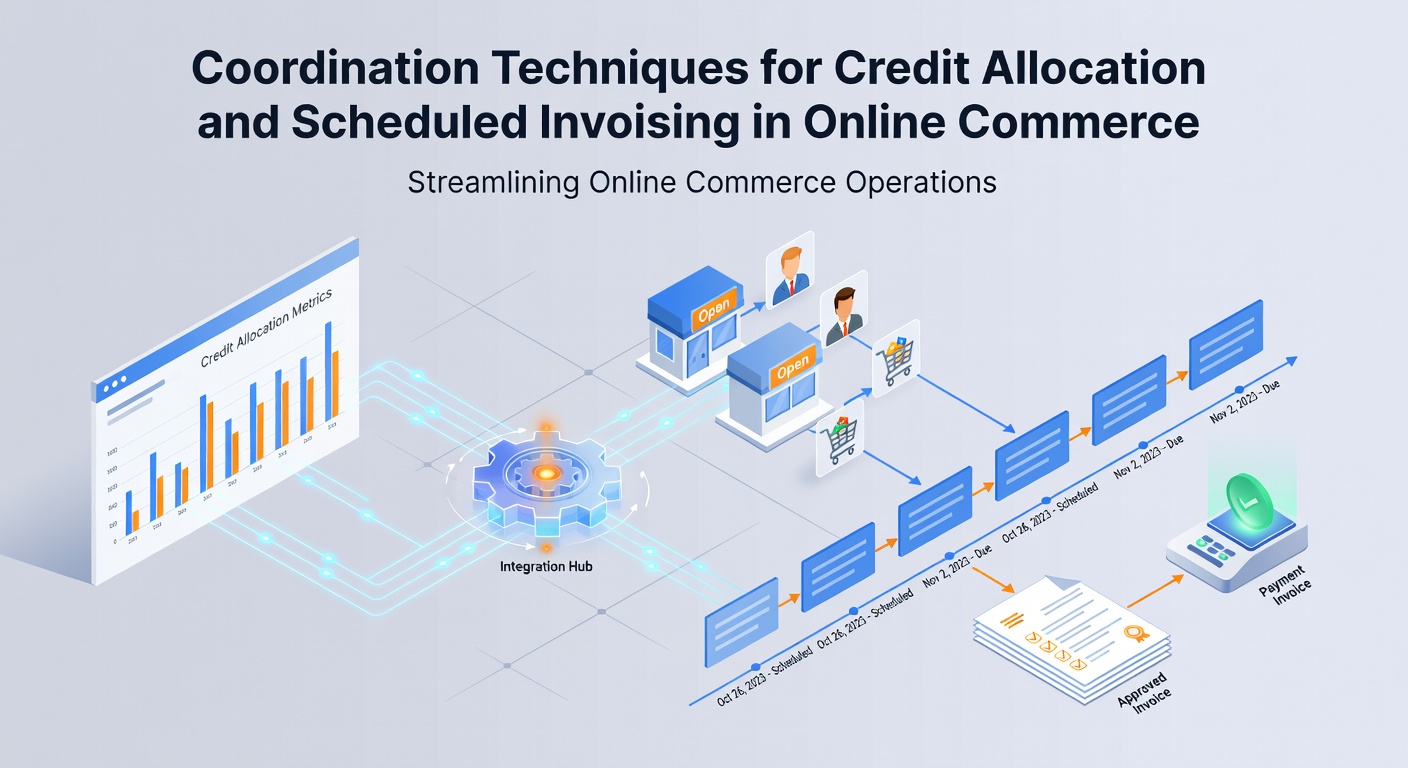
Online commerce platforms rely on coordinated systems that align credit allocation with scheduled invoicing to manage cash flow and transaction processing effectively. These techniques emerged as merchants scaled operations across multiple regions and faced increasing volumes of recurring payments by mid-2025, with further refinements expected through June 2026 as regulatory frameworks in several jurisdictions update digital payment standards.
Core Methods for Aligning Credit Lines with Billing Cycles
Merchants apply real-time data feeds from customer accounts to determine credit limits before generating invoices, which reduces mismatches between approved amounts and billed totals. Systems pull transaction histories, payment patterns, and external credit scores through secure APIs that update every few hours, allowing allocation decisions to reflect current risk profiles rather than static monthly reviews. Observers note that this approach appears in platforms handling subscription services, where credit checks trigger automatically at the start of each billing period.
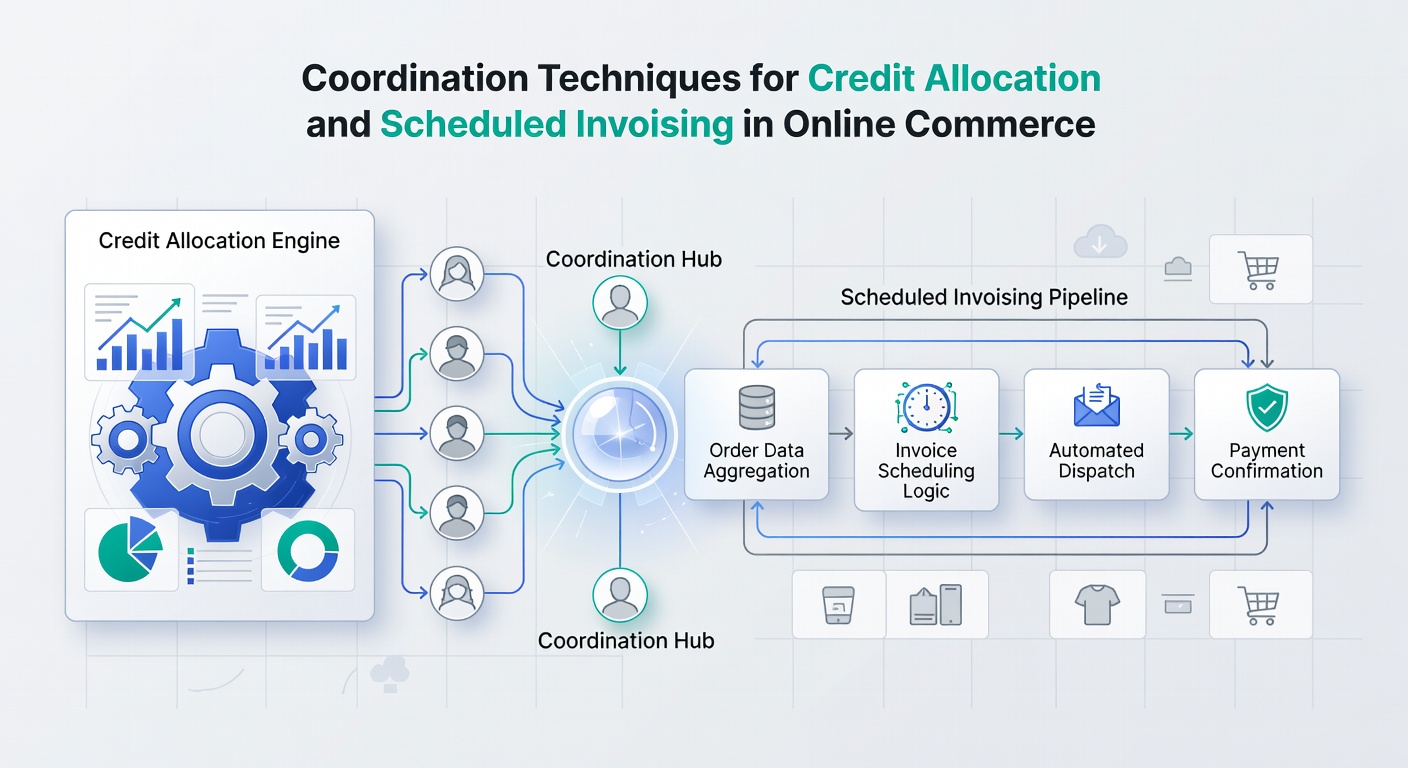
Integration layers connect credit decision engines directly to invoicing software so that approved amounts feed straight into invoice templates without manual re-entry. Developers build these connections using standardized protocols that flag discrepancies, such as when a customer's outstanding balance exceeds the newly calculated limit, and route those cases to review queues. Research from the OECD indicates that coordinated setups like these cut processing delays by measurable margins in tested e-commerce environments across member countries.
Automation Tools That Sync Allocation and Invoicing
Scheduled invoicing platforms incorporate rules engines that adjust invoice dates based on credit availability windows, ensuring bills issue only when sufficient headroom exists in allocated lines. One common technique involves batch processing at off-peak hours, where the system reviews all active accounts, recalculates available credit using the latest data pulls, and queues invoices for the following day. This method gained traction among mid-sized retailers that process thousands of recurring charges monthly.
Tokenized payment credentials further support coordination by allowing invoicing systems to reference credit approvals without storing sensitive details, which streamlines renewals while maintaining compliance records. Platforms that adopted these tokens reported fewer interruptions during peak periods, according to industry analyses covering operations through early 2026.
Handling Multi-Currency and Cross-Border Considerations
Global merchants coordinate credit allocation across currencies by embedding exchange rate buffers into limit calculations, then mapping those adjusted figures to invoicing schedules that account for settlement times in different banking systems. Techniques include daily rate pulls from financial data providers combined with automated invoice date shifts to align with local clearing cycles. Data from the Bank for International Settlements shows increased adoption of such buffers in platforms serving customers in both European and Asian markets.
Compliance modules within these coordinated systems track regional invoicing requirements, such as mandatory grace periods or tax reporting deadlines, and adjust credit release timing accordingly. When a transaction spans multiple jurisdictions, the allocation engine applies layered checks before the invoice generation step commits resources.
Monitoring and Adjustment Protocols
Continuous monitoring dashboards display credit utilization rates alongside upcoming invoice schedules, enabling operators to spot potential shortfalls days in advance. Adjustment protocols then redistribute available credit across accounts or trigger supplemental approval workflows for high-volume periods. Studies published by the University of Melbourne's Centre for Digital Transformation found that platforms using these dashboards maintained steadier revenue collection rates compared with less integrated setups during seasonal fluctuations.
Exception handling routines automatically pause invoices when credit thresholds near exhaustion and notify account managers through integrated alerts. This prevents over-allocation while preserving customer relationships through proactive communication rather than sudden declines.
Conclusion
Coordination techniques for credit allocation and scheduled invoicing continue to evolve as online commerce volumes grow and regulatory expectations shift. Platforms that link data sources, automate decision flows, and incorporate monitoring tools achieve tighter alignment between approved credit and issued invoices, supporting smoother operations across diverse merchant environments. Updates anticipated by June 2026 in several regulatory regions may further standardize these connections, particularly around data sharing and cross-border timing requirements.