23 Jun 2026
Cross-Border Liquidity Patterns in Automated Charge Systems for Platform-Based Sellers
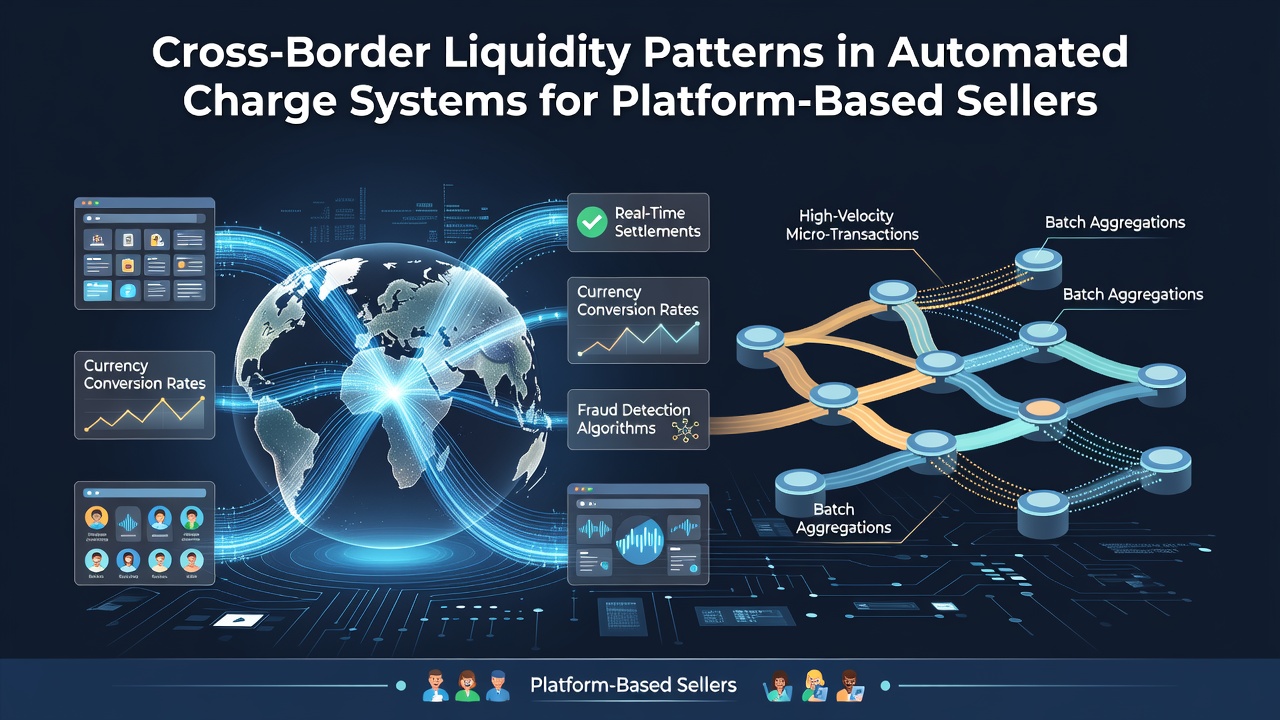
Platform-based sellers operating across multiple jurisdictions encounter distinct liquidity patterns when automated charge systems execute recurring or one-time transactions in foreign currencies. These systems coordinate currency conversion, settlement timing, and reserve management to maintain operational continuity while sellers fulfill orders in diverse markets. Research from the Bank for International Settlements indicates that automated platforms processed over 40 percent of cross-border merchant volumes through integrated billing engines by late 2025, with settlement cycles compressing from three days to under 24 hours in many corridors.
Settlement Timing and Currency Reserve Allocation
Automated charge systems track incoming payments against outgoing obligations in real time, which allows operators to adjust reserve holdings across currencies without manual intervention. Data from the European Central Bank shows that euro-denominated inflows from subscription platforms often peak mid-month, whereas outflows tied to vendor payouts concentrate at month-end. This timing mismatch requires platforms to maintain buffer liquidity in multiple accounts, yet the buffers themselves generate holding costs that vary with interest rate differentials between source and destination currencies.
Observers note that platforms serving sellers in Asia-Pacific and European markets frequently route charges through intermediate currencies when direct pairs lack sufficient depth. One study published by the Monetary Authority of Singapore in early 2026 documented a 17 percent reduction in conversion fees when systems batched smaller transactions into larger settlement blocks executed twice weekly rather than daily.
Regional Variations in Liquidity Velocity
Velocity differs sharply between corridors. North American platforms tend to release funds to sellers within one business day after capture, while certain Latin American and African routes still require two to four days because correspondent banking chains remain longer. Figures released by the Reserve Bank of Australia in June 2026 reveal that AUD-denominated platform charges settled 28 percent faster when linked directly to local clearing systems instead of passing through USD intermediaries.
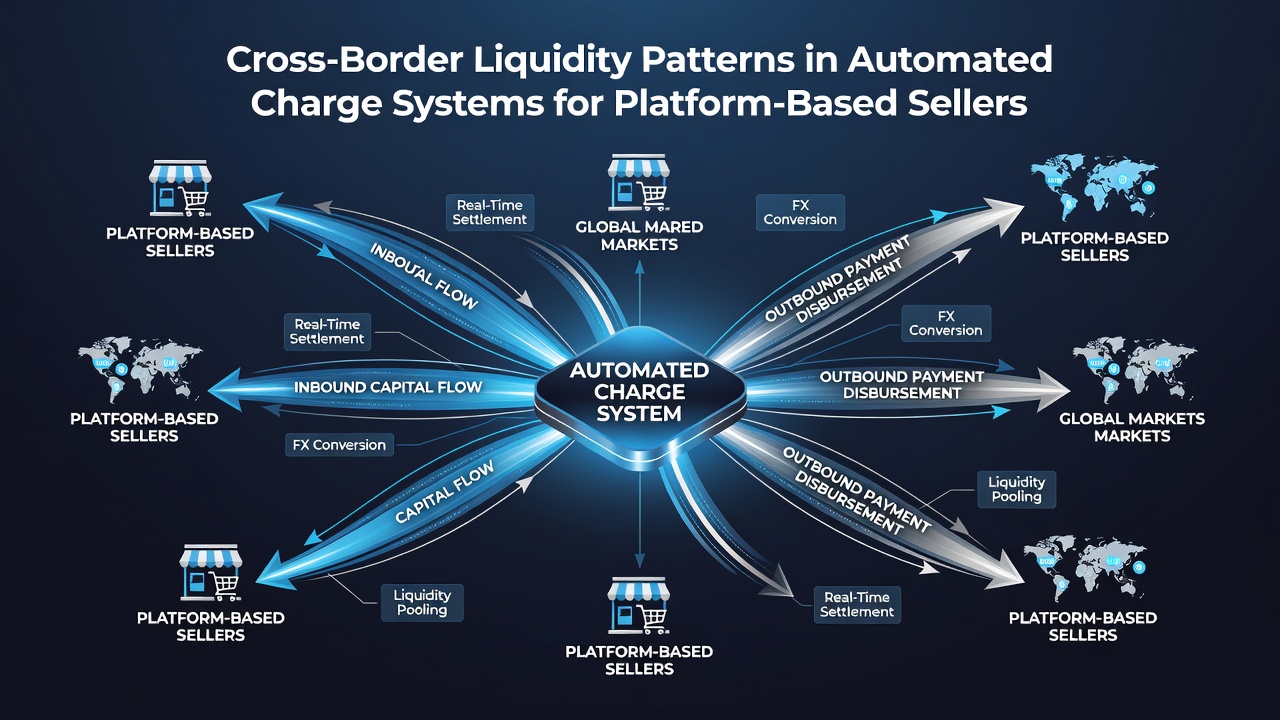
Platform operators therefore configure rules engines that prioritize local-currency settlement whenever transaction volume exceeds predetermined thresholds. Those rules reduce exposure to exchange-rate swings while freeing up working capital for sellers who reinvest immediately into inventory or marketing.
Regulatory Influences on Reserve Requirements
Regulatory frameworks shape how much liquidity platforms must hold. The European Union's revised Payment Services Directive requires electronic money institutions to segregate client funds, which indirectly increases the reserves platforms allocate for cross-border seller payouts. In contrast, Canada's regulatory sandbox permits limited commingling under strict reporting, allowing faster recycling of incoming charges into outgoing settlements. Sellers operating on multi-region platforms therefore experience different cash-flow rhythms depending on which regulatory perimeter governs each transaction leg.
Technology Infrastructure Supporting Liquidity Matching
Modern automated systems rely on application programming interfaces that query real-time foreign-exchange rates and available settlement rails before authorizing each charge. When a platform seller in Brazil receives recurring payments from European buyers, the system evaluates whether to convert immediately or hold the position overnight based on historical volatility data. Academic research from the University of Toronto's Rotman School of Management found that such dynamic matching lowered average funding gaps by 22 percent across sampled platform cohorts between 2023 and 2025.
These engines also incorporate predictive models that forecast charge volume by region and time of month. Accurate forecasts enable treasury teams to pre-position liquidity in high-velocity corridors, reducing the need for last-minute borrowing at unfavorable rates.
Conclusion
Cross-border liquidity patterns in automated charge systems continue to evolve as platforms refine settlement logic, regulatory expectations shift, and new clearing rails emerge. Sellers benefit when these systems align currency inflows with payout obligations across time zones and banking calendars. Continued monitoring of velocity metrics, reserve costs, and regulatory changes will determine how efficiently capital moves through global platform economies in the years ahead.