7 Jun 2026
Decoding Real-Time Credit Assessments Within API-Driven Billing Cycles Across International Merchant Networks
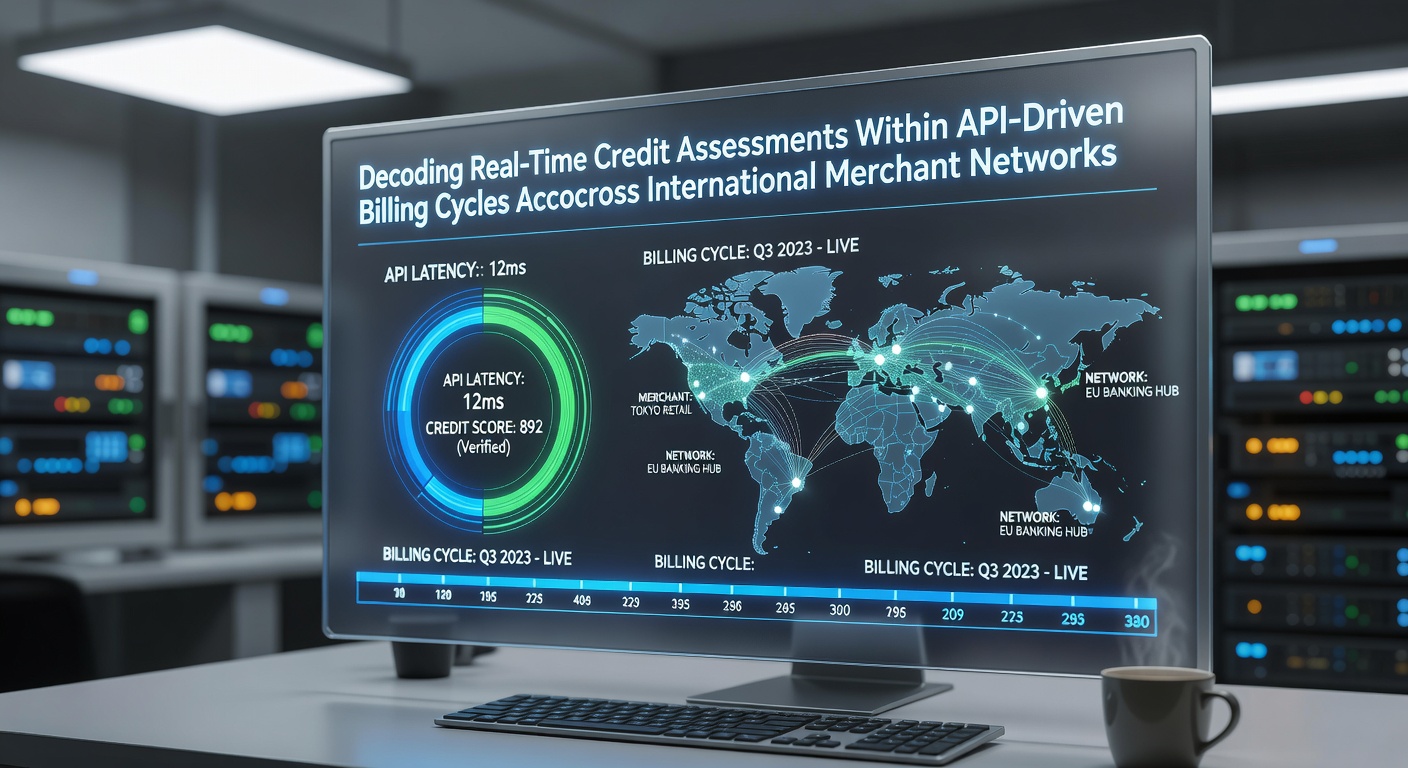 Merchants operating across borders rely on integrated systems that pull credit data in seconds rather than days, and application programming interfaces now serve as the primary conduit for those assessments during each billing cycle. These connections allow platforms to query credit bureaus, banking records, and alternative data providers simultaneously while a transaction request travels through the network. Data indicates that API calls complete in under 200 milliseconds on average according to transaction logs shared by major processors in 2025. Real-time evaluation starts when a customer initiates a purchase or subscription renewal. The billing platform sends structured requests containing account identifiers, transaction amounts, and location details to multiple endpoints at once. Responses return risk scores, available credit lines, and fraud indicators that feed directly into authorization logic. Observers note that this parallel querying reduces declined transactions by combining domestic credit files with cross-border behavioral signals. International networks add layers of complexity because credit reporting standards differ by jurisdiction. A merchant in one country may access bureau data governed by the European Central Bank guidelines while simultaneously checking records subject to rules from the Monetary Authority of Singapore. API middleware translates these varying formats into a unified response object, preserving compliance flags that trigger additional verification steps when required. Billing cycles themselves become more dynamic when assessments update continuously rather than at fixed intervals. Subscription platforms refresh credit profiles before each recurring charge instead of relying on initial onboarding data alone. Figures from industry processors show that mid-cycle refreshes catch changes in borrower status within 48 hours of a credit event in over 70 percent of monitored accounts.
API Architecture Supporting Continuous Evaluation
Modern gateways expose endpoints that accept encrypted payloads and return standardized JSON structures containing credit metrics. Developers embed these calls inside existing checkout flows so the assessment occurs without adding perceptible latency to the customer experience. Tokenization keeps sensitive identifiers separate from the billing record, allowing repeated queries without re-exposing raw card or account numbers.
What's interesting is how caching layers balance freshness against rate limits imposed by data providers. Temporary score snapshots remain valid for minutes while longer-term attributes update on schedule. This hybrid approach keeps costs manageable while maintaining accuracy across high-volume merchant operations.Cross-Border Data Flows and Compliance Requirements
Payment networks must satisfy overlapping regulatory frameworks when credit data crosses borders. The Australian Competition and Consumer Commission outlines consent requirements that differ from those enforced by the Consumer Financial Protection Bureau in the United States. API providers therefore embed jurisdiction detection logic that selects appropriate data sources and applies the strictest consent rules applicable to each transaction.
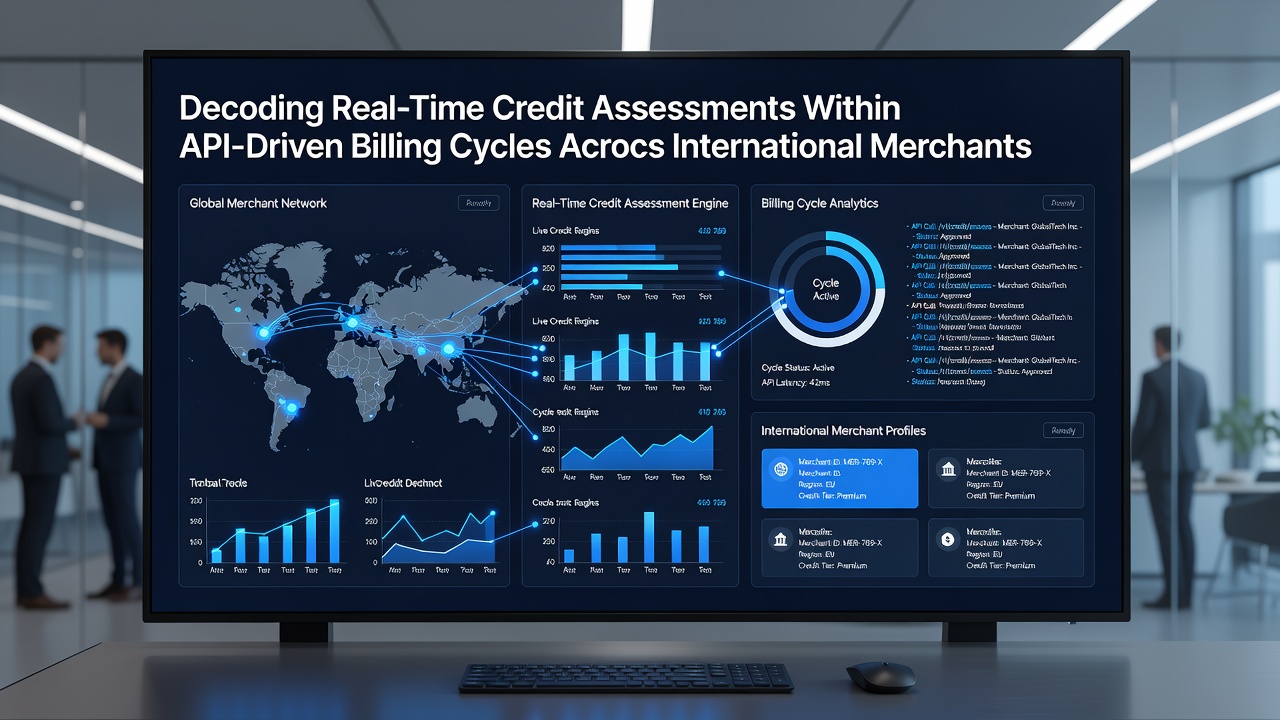 In June 2026 several processors introduced updated schema fields that capture consent timestamps and purpose codes directly in the API request header. These additions help merchants demonstrate compliance during audits without rebuilding entire billing pipelines. Research from academic centers studying payment infrastructure reveals that such embedded metadata reduces manual review time by approximately 35 percent in multinational operations.
Impact on Revenue Recognition and Risk Allocation
Merchants gain visibility into expected approval rates before they finalize batch processing. Real-time signals allow dynamic pricing adjustments or alternative payment method prompts when credit scores fall below internal thresholds. One study of platform economies found that businesses using continuous assessment reported a 12 percent lift in successful collections compared with those relying on static checks performed at signup.
Tokenized references enable the same credit profile to support multiple billing events without repeated full inquiries. This efficiency matters most for merchants handling thousands of recurring charges daily across dozens of currencies. The system logs every assessment event with precise timestamps, creating audit trails that satisfy both internal finance teams and external regulators.Future Developments in Assessment Speed and Accuracy
Advances in machine learning models now incorporate real-time alternative data such as utility payment histories and open banking feeds. These inputs supplement traditional bureau scores and become accessible through the same API channels. International merchant networks continue to standardize field definitions so a single integration serves operations in multiple regions without custom adapters for each market.
Conclusion Real-time credit assessments embedded in API-driven billing cycles now form a core component of international merchant operations. The combination of rapid data exchange, jurisdiction-aware compliance logic, and continuous profile updates supports higher approval rates while maintaining regulatory alignment. As networks expand and data sources multiply, the architecture described here provides the foundation for scalable, secure revenue collection across borders.