21 Jun 2026
Financial Technology's Influence on Credit Allocation Within API-Driven Subscription Billing Systems for Worldwide Commerce
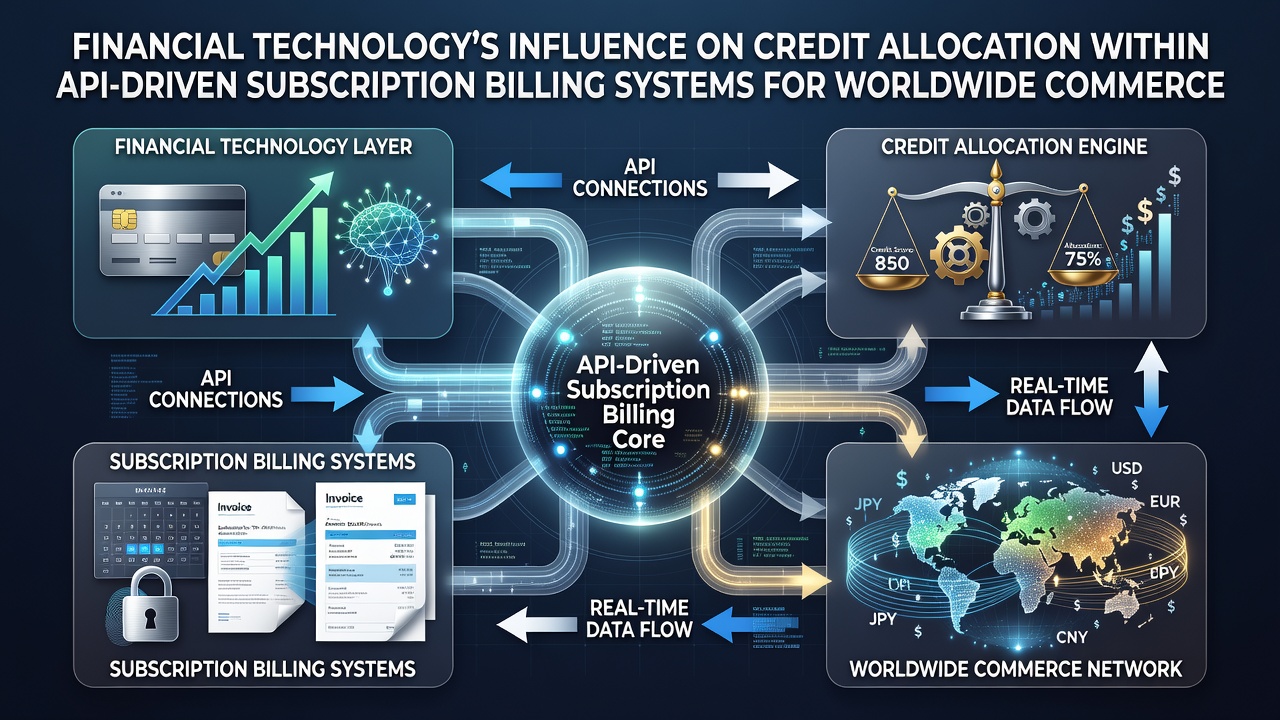
Financial technology has reshaped credit allocation processes inside API-driven subscription billing systems that support commerce across borders, and data exchanges now occur in real time between merchants, financial institutions, and payment processors. These connections allow credit decisions to draw directly from recurring transaction histories rather than relying solely on static credit reports, while integration points pull in usage patterns, payment consistency, and geographic variables to refine risk models on an ongoing basis.
API Frameworks Supporting Credit Data Flows
Application programming interfaces serve as the backbone for linking subscription management platforms with credit evaluation engines, and they transmit structured data packets that include billing cycles, invoice amounts, and customer retention metrics. Systems built around these interfaces process requests in milliseconds, enabling merchants in multiple jurisdictions to receive updated credit lines before each renewal period begins. Observers note that standardized protocols such as those outlined in open banking frameworks have accelerated adoption rates, particularly since regulatory updates in several regions took effect around 2024.
One platform serving international retailers demonstrated how API calls to credit bureaus could incorporate subscription tenure data, and the resulting scores adjusted dynamically when payment volumes increased across different currencies. This approach reduced manual underwriting steps, yet it still required compliance checks against local data protection rules that vary between the European Union, North America, and Asia-Pacific markets.
Credit Allocation Mechanisms in Recurring Billing
Credit allocation within these environments relies on algorithms that weigh historical subscription performance against projected cash flows, and the models factor in variables like churn rates and average revenue per user. Financial institutions feed approved credit limits back through the same APIs so that billing software can either approve or flag upcoming charges without interrupting service continuity. Researchers have documented cases where merchants operating in emerging markets gained access to revolving credit facilities tied directly to their recurring revenue streams, which previously depended on slower traditional lending reviews.
Automated verification layers also cross-reference transaction metadata with external economic indicators, and this produces allocation adjustments that reflect currency fluctuations or regional demand shifts. For instance, a subscription service expanding into Latin American markets saw its available credit recalibrated monthly based on aggregated payment success rates collected through integrated gateways.
Global Commerce Applications and Regulatory Context
Worldwide commerce introduces additional layers of complexity because subscription platforms must accommodate differing tax regimes, consumer protection statutes, and financial reporting standards. API connections now route credit allocation requests through compliance modules that screen for sanctions lists and anti-money laundering requirements before funds are released. Figures from industry reports indicate that cross-border subscription volumes grew steadily through 2025, with API-enabled credit features contributing to smoother onboarding for merchants who lack local banking relationships.

By June 2026, several multilateral trade agreements had prompted updates to digital payment standards that further streamlined API interactions between credit providers and billing systems. These changes allowed merchants to maintain consistent credit availability even when operating across time zones where banking hours differ significantly. Those who have examined platform logs note that latency reductions in data handoffs correlate with fewer declined renewals during peak subscription periods.
Security and Verification Protocols
Tokenization and encryption standards protect the sensitive credit and billing data exchanged through APIs, and multi-factor authentication routines verify merchant identities at each integration point. Fraud detection modules embedded in these systems analyze patterns across millions of recurring transactions, flagging anomalies that could affect credit allocation accuracy. According to analyses published by the Bank for International Settlements, such layered verification has supported higher transaction success rates in global e-commerce environments without increasing exposure to unauthorized access.
Merchants utilizing these combined tools often discover that credit lines expand automatically when subscription metrics demonstrate stability over consecutive quarters, and the process operates without requiring separate loan applications. This integration reduces administrative overhead while maintaining alignment with oversight requirements from bodies such as the Australian Securities and Investments Commission.
Conclusion
API-driven subscription billing systems continue to influence credit allocation by enabling continuous, data-informed decisions that span multiple markets and regulatory environments. The connections between financial technology components and recurring revenue platforms have produced measurable efficiencies in how credit resources reach merchants engaged in worldwide commerce, and ongoing refinements to data exchange standards suggest further integration potential in the periods ahead.