Global Networks: How Real-Time Credit Data Integrates with Recurring Charge Systems in Merchant Ecosystems
Written by Logan Keller · Aug 25, 2026
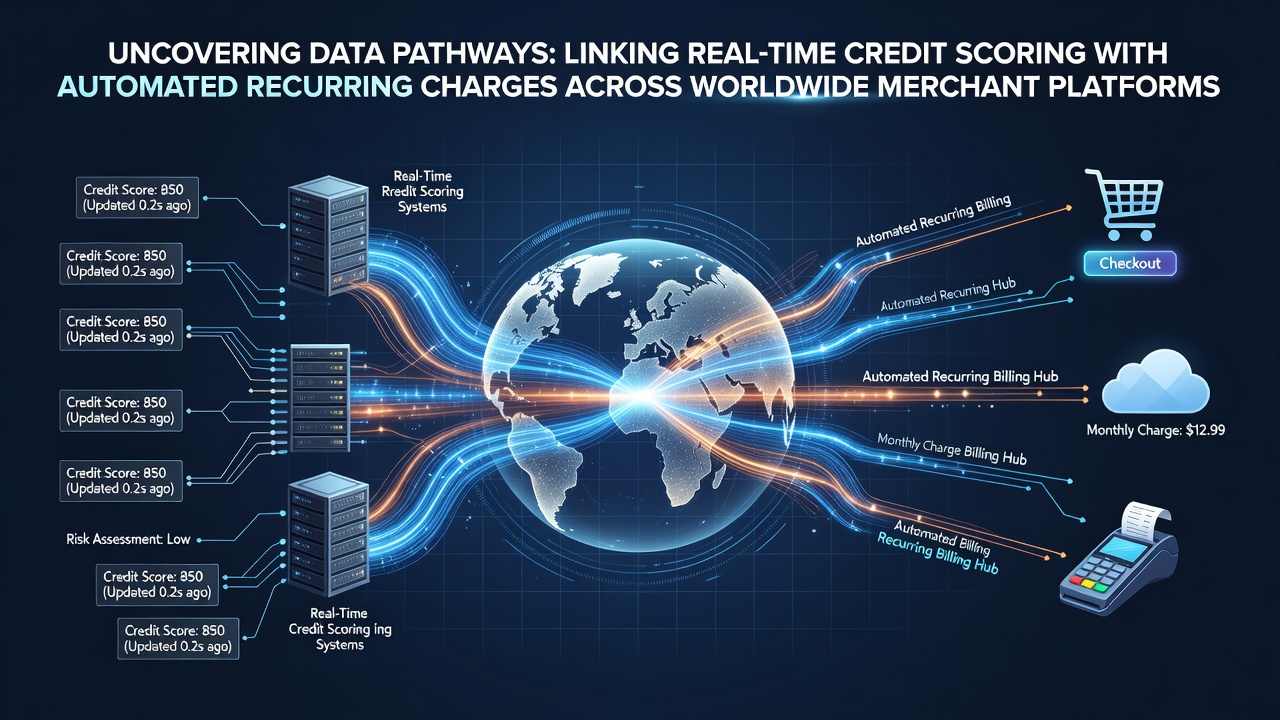
Global Networks: How Real-Time Credit Data Integrates with Recurring Charge Systems in Merchant Ecosystems
Real-time credit scoring systems now feed directly into automated recurring charge mechanisms on merchant platforms that operate across dozens of countries, creating data pathways that update risk profiles and payment authorizations within seconds of each transaction cycle. These connections rely on application programming interfaces that pull credit bureau information, transaction histories, and behavioral signals from multiple sources simultaneously.
Core Data Flows in International Merchant Platforms
Payment processors in regions such as North America, Europe, and Asia-Pacific have established standardized data exchange protocols that allow credit assessment engines to evaluate borrower capacity before each scheduled charge occurs. According to a 2025 analysis by the Bank of Canada, these protocols reduced failed recurring transactions by 18 percent in cross-border subscription services during the preceding twelve months. The same report noted that platforms handling digital goods and subscription media accounted for the largest share of this improvement.
Merchants integrate these pathways through layered verification steps that combine traditional credit scores with alternative data points including utility payment records and e-commerce purchase patterns. When a subscriber's profile updates, the system recalculates authorization limits and either approves or declines the next recurring charge without manual intervention. Observers note that this automation has become especially prevalent among platforms serving customers in more than five currency zones.
Technical Architecture Supporting Continuous Evaluation
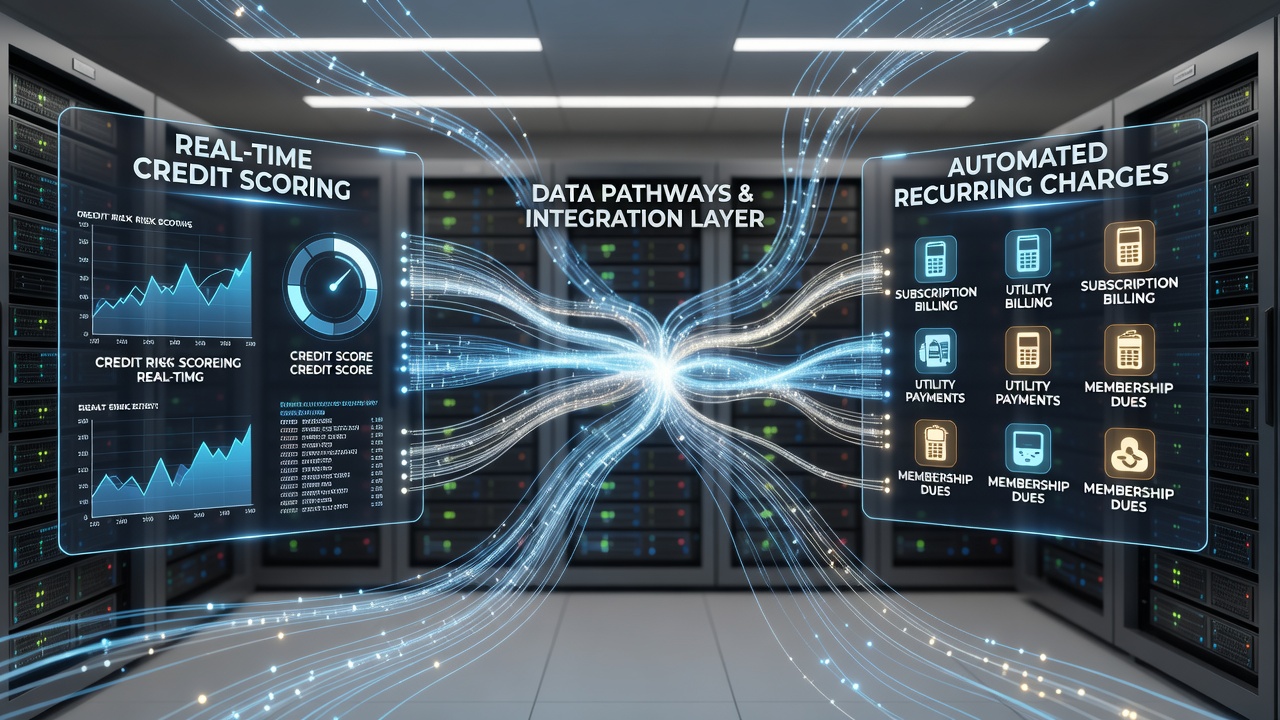
Modern architectures use tokenization and encrypted data channels to move credit-related variables between scoring providers and billing engines while maintaining compliance with regional data protection rules. In August 2026 several major gateways expanded their support for real-time queries to include additional fields such as recent credit limit changes and delinquency flags from secondary lenders. These expansions occurred after industry testing showed that incorporating the extra variables lowered chargeback rates in recurring revenue models by measurable margins.
Researchers at academic institutions including those affiliated with the National University of Singapore have documented how machine learning models trained on these expanded datasets improve prediction accuracy for subscription churn linked to credit deterioration. The models process incoming data streams from credit bureaus, payment gateways, and merchant records in parallel, then output updated risk scores that trigger adjustments in billing frequency or amount where contract terms permit.
Regional Variations and Regulatory Influences
Differences in regulatory environments shape how these data pathways operate across borders. The European Central Bank has issued guidance requiring explicit consent mechanisms before credit data travels into recurring billing systems, whereas the Reserve Bank of Australia emphasizes transparency reporting on how automated decisions affect consumers. Merchants operating in both jurisdictions therefore maintain separate consent flows and audit logs for each market.
Case studies from platform operators in Southeast Asia reveal that integration with local credit registries alongside global scoring agencies allows more granular risk segmentation for recurring charges. One operator handling software subscriptions across six countries reported that combining these sources produced a 12 percent increase in successful renewals while keeping default rates stable, according to internal metrics shared with industry researchers.
Security and Fraud Prevention Measures
Encryption standards and access controls protect the continuous flow of credit information into billing systems. Industry organizations such as the Payments Association have published guidelines recommending multi-factor authentication for any administrative access to these integrated pathways. Data from the Federal Reserve indicates that platforms adopting these layered controls experienced fewer incidents of unauthorized recurring charges in 2025 compared with prior years.
Token-based systems replace sensitive card details with unique identifiers that carry embedded credit risk flags, allowing merchants to apply dynamic authorization rules without storing full account numbers. This approach supports both immediate charge decisions and longer-term subscription management across worldwide merchant networks.
Future Developments in Data Integration
Continued expansion of open banking frameworks in additional jurisdictions is expected to increase the volume and variety of data points available for real-time credit evaluation within recurring charge workflows. Trade reports project that by late 2027 more than 40 percent of global subscription platforms will incorporate at least one alternative data source beyond traditional credit files.
These developments maintain focus on compliance, security, and operational efficiency as platforms scale across borders. teh resulting data pathways continue to evolve through iterative updates driven by regulatory changes and technological advances in both credit assessment and payment processing sectors.
Conclusion
The linkages between real-time credit scoring and automated recurring charges form an expanding network of data exchanges that support merchant operations on international platforms. Technical standards, regional regulations, and security practices together determine how these pathways function and develop over time.