How Merchant Account Setups Shape Credit Line Distributions in API-Connected Subscription Ecosystems
Written by Logan Keller · Aug 4, 2026
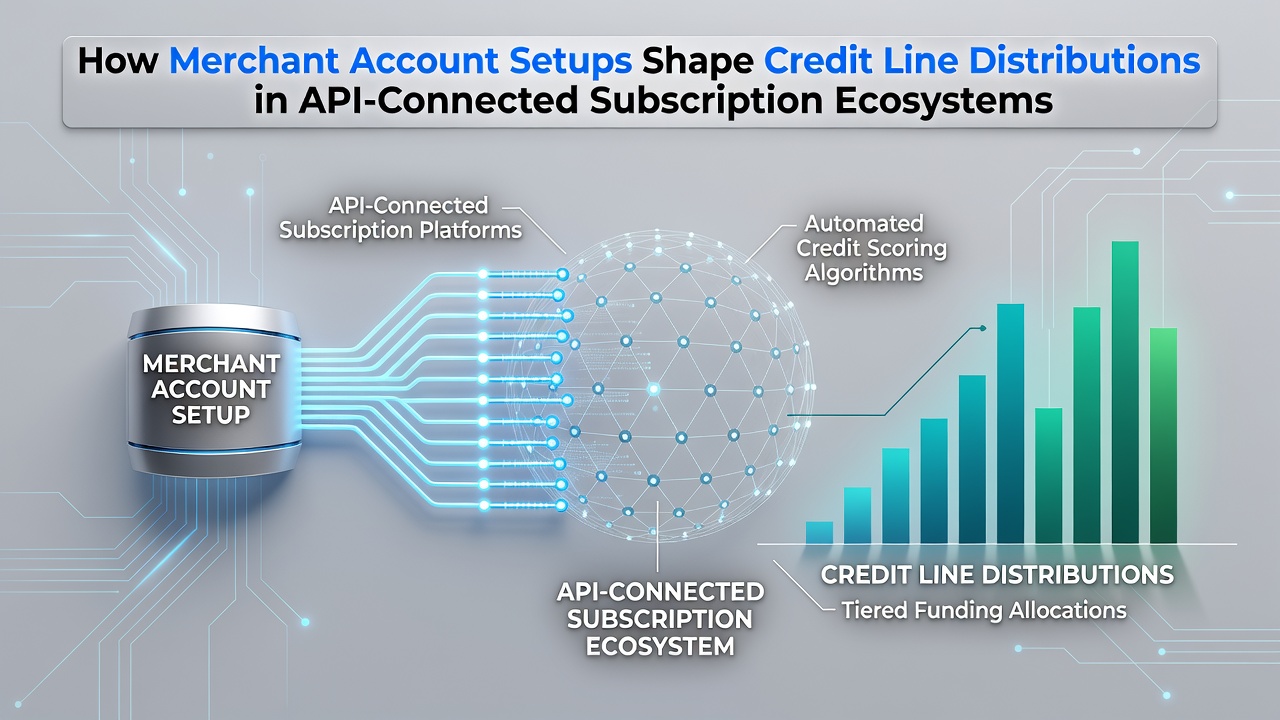
How Merchant Account Setups Shape Credit Line Distributions in API-Connected Subscription Ecosystems
Merchant account setups establish the foundational parameters that determine how credit lines flow through API-connected subscription ecosystems, and these configurations influence approval rates, allocation speeds, and risk thresholds across recurring billing cycles. Data from platform operators shows that verification protocols embedded during account onboarding directly affect the velocity at which credit facilities extend to subscribers in global marketplaces.
Verification Layers in Account Onboarding
Financial institutions and payment processors require layered documentation when merchants activate accounts, and these requirements include business registration, transaction history projections, and compliance attestations that feed into automated scoring models. Once submitted, API endpoints transmit this information to underwriting engines that calculate initial credit ceilings based on projected recurring revenue streams. Observers note that merchants completing enhanced verification steps in August 2026 experienced faster credit line adjustments compared to those using basic KYC pathways alone.
API integrations streamline the transfer of subscriber payment data back to these underwriting systems, and this real-time feedback loop allows credit lines to scale with actual usage patterns rather than static forecasts. Research from the European Banking Authority indicates that platforms incorporating automated data pulls from merchant accounts reduced manual reviews by 34 percent in the preceding fiscal year.
API-Driven Credit Allocation Mechanisms
Subscription platforms rely on API calls to monitor charge success rates, subscriber retention metrics, and chargeback frequencies, then route these signals into credit decision engines that redistribute available lines among active merchants. When a merchant account setup includes granular permission settings for data sharing, the connected APIs can trigger incremental credit increases during peak billing periods without requiring separate applications. Those who've studied these flows report that ecosystems with standardized API schemas achieve more consistent credit distributions across international merchant networks.
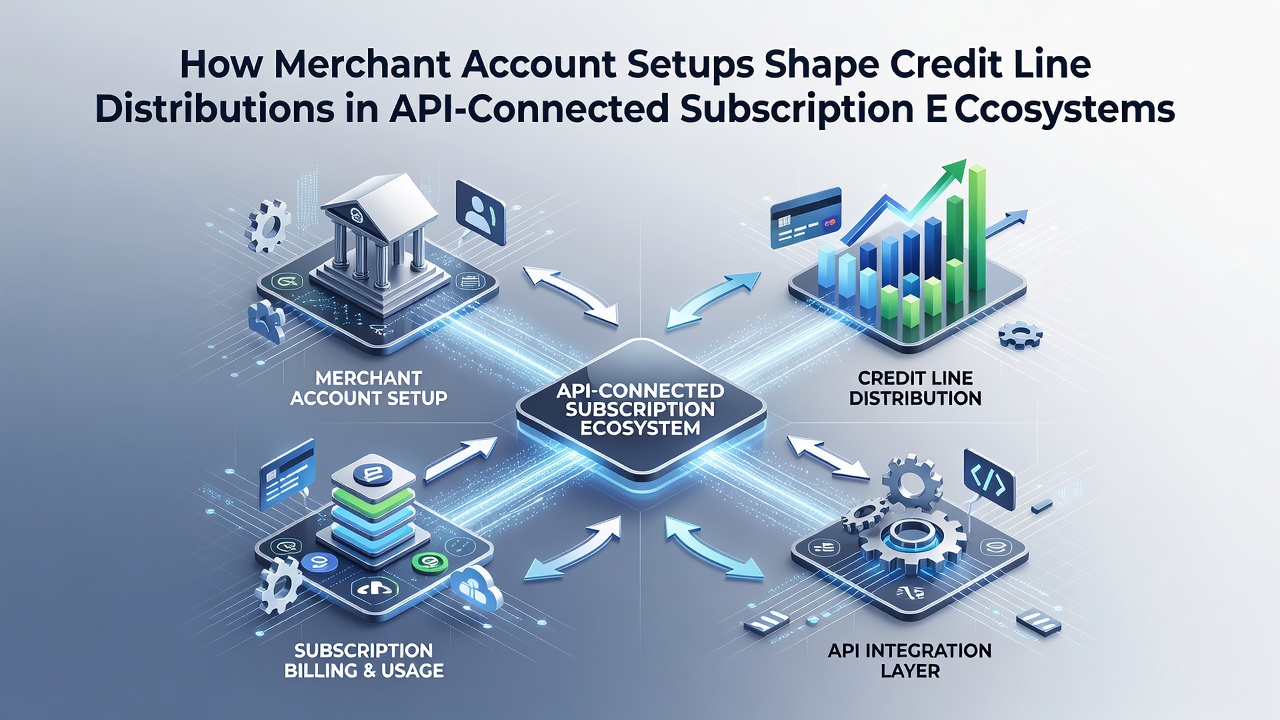
Take one case where a digital marketplace operator adjusted its merchant onboarding forms to capture projected subscriber lifetime value, and the resulting API connections enabled dynamic credit line expansions tied directly to monthly recurring revenue. Studies from the Bank of Canada found similar patterns in cross-border subscription services, where account setups that included revenue forecasting fields correlated with 22 percent higher average credit allocations for participating merchants.
Subscription Ecosystem Data Pathways
Recurring billing systems generate continuous streams of transaction metadata that APIs forward to credit assessment modules, and these pathways determine whether credit lines expand, contract, or remain fixed based on performance indicators. Merchant account setups that authorize broader data access allow these modules to incorporate subscriber demographics and churn predictions into their calculations. Figures from the Reserve Bank of Australia reveal that platforms enabling such integrations saw credit line utilization rates rise steadily through mid-2026, particularly among merchants operating in multiple currencies.
Yet the same data flows introduce dependencies on API uptime and schema compatibility, so merchants whose account configurations include fallback verification methods maintain steadier credit access during integration disruptions. Industry reports from the Singaporean Monetary Authority highlight that diversified data pathways reduced allocation delays by an average of 18 days in tested environments.
International Variations in Setup Standards
Regulatory frameworks across regions impose differing documentation thresholds during merchant account activation, and these variations propagate through API-connected systems to shape credit line availability for global subscription operators. Account setups compliant with EU data protection standards, for instance, often include explicit consent flags that APIs reference when sharing revenue data with credit providers. Academic analyses from the University of Toronto's Rotman School of Management show that merchants navigating multiple regional requirements achieve more balanced credit distributions when their setups incorporate modular compliance modules.
Patterns observed in August 2026 demonstrate that platforms standardizing API responses for credit queries across jurisdictions experienced fewer allocation discrepancies among international merchants. Coordination between account verification teams and subscription billing engines continues to evolve as more operators adopt unified data standards.
Conclusion
Merchant account setups function as gatekeepers that calibrate credit line distributions within API-connected subscription ecosystems through structured verification, data-sharing permissions, and integration depth. As platforms refine these configurations, credit allocation processes increasingly rely on automated signals from recurring transaction streams to maintain alignment with merchant performance. Ongoing developments in August 2026 underscore the role of consistent API schemas in supporting equitable credit access across diverse merchant networks and regulatory environments.