30 Jun 2026
Inside Platform Ecosystems: How Embedded Lending Protocols Sync with Verification Layers to Streamline Recurring Charge Flows for Global Vendors
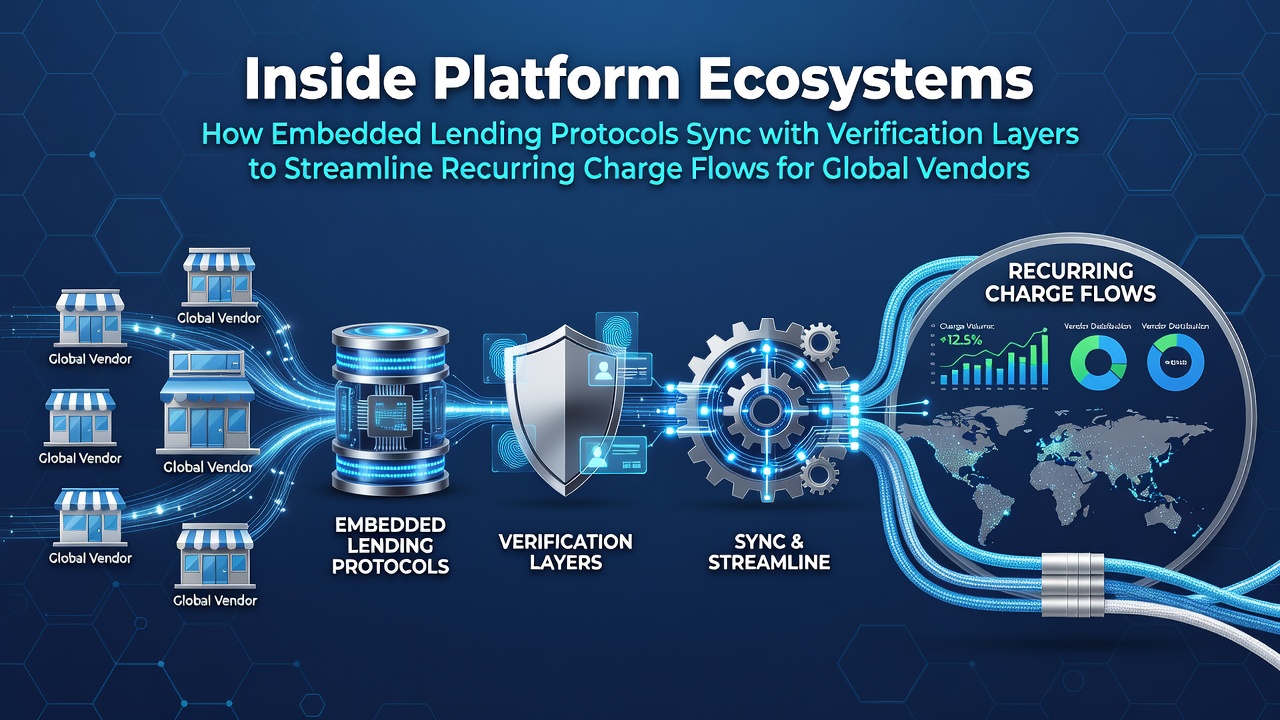
Platform ecosystems have expanded rapidly since the early 2020s, and observers note that embedded lending protocols now integrate directly with verification layers to manage recurring charge flows for vendors operating across multiple jurisdictions. These systems pull credit data in real time while matching it against identity checks and transaction histories, which allows scheduled payments to proceed without repeated manual approvals. Research from the Bank for International Settlements indicates that such coordination reduces processing delays in subscription-based models by aligning lending decisions with ongoing verification signals.
Protocol Synchronization Mechanics
Embedded lending protocols operate by receiving continuous feeds from verification layers that confirm user eligibility before each billing cycle initiates. When a vendor sets up recurring charges, the protocol queries the verification system for updated risk scores and compliance flags, then adjusts credit limits accordingly without interrupting the payment sequence. Data shows that this handshake occurs through standardized APIs that exchange encrypted payloads, ensuring that lending parameters stay synchronized with the latest verification outcomes across different time zones.
Vendors in digital marketplaces often encounter situations where verification layers flag changes in user behavior, such as updated address information or spending patterns, and the lending protocol responds by recalibrating available credit before the next charge date arrives. This process avoids separate approval steps that previously fragmented revenue collection. According to a 2025 report from the Monetary Authority of Singapore, synchronized protocols handled over 40 percent of recurring transactions in Southeast Asian platforms during that period.
Verification Layer Integration Points
Verification layers sit between user authentication systems and lending decision engines, supplying contextual data that lending protocols use to authorize or defer charges. These layers aggregate inputs from government registries, credit bureaus, and device fingerprinting services, then forward consolidated signals to the lending side. The result is a unified workflow where global vendors receive consistent treatment regardless of where their customers reside.
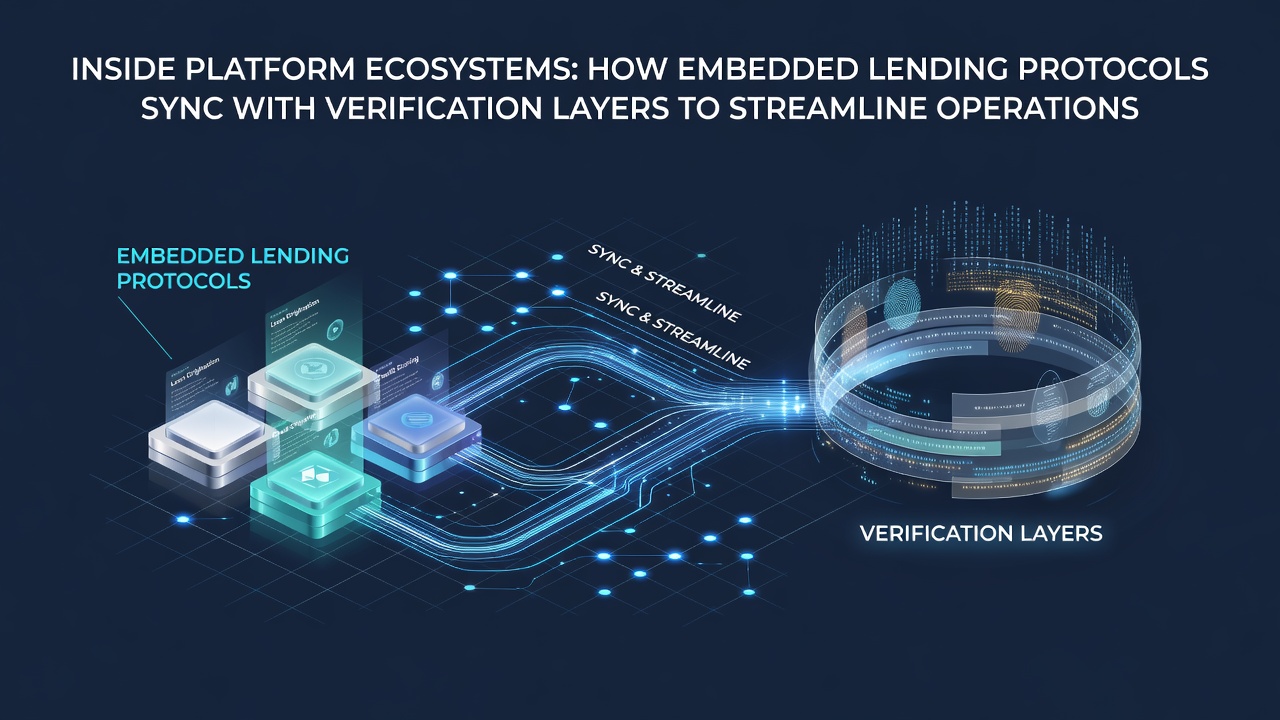
One study from the University of Toronto examined how these integration points function in cross-border scenarios, finding that real-time data exchange cut reconciliation errors by matching lending criteria directly to verification outcomes. Platforms can therefore maintain charge schedules even when regulatory requirements differ between regions, because the verification layer handles jurisdiction-specific checks before passing results upstream.
Impact on Recurring Charge Flows
Global vendors benefit when lending protocols and verification layers operate in tandem because recurring charges move through fewer checkpoints. A charge request triggers an automated query that confirms both credit availability and identity validity in a single pass, which shortens the overall cycle time. Figures from the European Central Bank released in early 2026 reveal that integrated systems processed subscription renewals 25 percent faster than standalone processes in comparable markets.
During June 2026, updates to open banking standards in several European countries further supported these flows by requiring verification layers to expose standardized endpoints that lending protocols could access without custom integrations. Vendors operating international platforms adopted these changes quickly, allowing them to extend credit-backed recurring options to new customer segments while maintaining compliance across borders.
Operational Patterns Across Markets
Patterns emerge when vendors scale operations because the synchronization between lending and verification components scales with transaction volume. Smaller vendors start with basic API connections that handle verification and lending checks sequentially, whereas larger platforms deploy event-driven architectures that push updates bidirectionally. Research indicates that these patterns help maintain steady revenue collection even as customer bases grow and regulatory landscapes shift.
Take one case where a vendor network in Australia linked its billing engine to a verification service that also fed lending parameters, resulting in fewer declined recurring charges during seasonal peaks. Similar setups appear in North American and Asian markets, where the same core synchronization logic adapts to local data sources and credit reporting rules.
Conclusion
Embedded lending protocols continue to align with verification layers through standardized data exchanges that support recurring charge flows for vendors worldwide. This coordination relies on API-driven signals that update credit parameters in line with identity and compliance checks, producing measurable improvements in processing speed and consistency. As platforms adopt evolving standards, the underlying synchronization mechanisms remain central to how global vendors manage ongoing payment cycles.