Integrating Vendor Financing into Automated Billing Processes for Worldwide Trade Platforms
Written by Parker Carter · Aug 20, 2026
Integrating Vendor Financing into Automated Billing Processes for Worldwide Trade Platforms
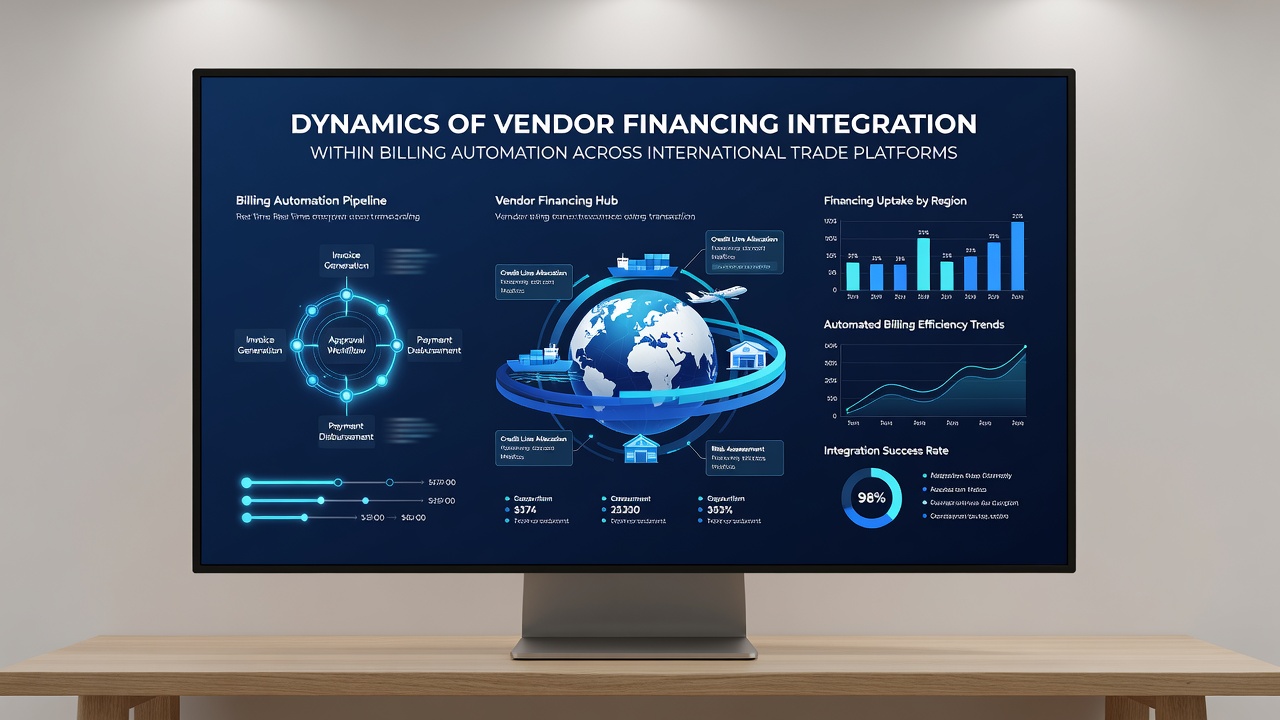
Trade platforms that handle cross-border transactions now link vendor financing lines directly to automated billing engines, allowing suppliers to access credit while invoices process in real time. This connection operates through standardized APIs that pull credit data from financial institutions and feed it into billing cycles without manual intervention, according to reports from the Bank for International Settlements.
Systems track inventory movements, shipment milestones, and payment terms in one flow, so vendors receive advances based on verified orders rather than waiting for buyer settlement. Observers note that platforms in Asia-Pacific regions adopted these linkages earlier than European counterparts, with adoption rates climbing steadily through 2025.
Technical Pathways Connecting Credit Allocation and Invoicing
API endpoints exchange data on available credit limits, outstanding invoices, and buyer risk scores, enabling the billing software to approve partial advances automatically once goods clear customs checkpoints. Researchers at the International Chamber of Commerce documented how these pathways reduced processing times from days to hours in documented pilot programs involving electronics exporters.
Encryption protocols and token-based authentication protect the data streams, while rule engines apply predefined thresholds for financing amounts tied to invoice value and buyer credit history. When thresholds trigger, the system routes requests to partner lenders that confirm availability within the same session, preventing delays that once disrupted supply chains during peak seasons.
Regional Variations in Implementation Across Trade Networks
European platforms often incorporate regulatory reporting modules that align with EU directives on supply chain finance, whereas North American systems emphasize integration with domestic factoring services that scale with seasonal agricultural shipments. Data released in August 2026 by the International Chamber of Commerce showed that platforms serving Latin American markets combined vendor financing with multi-currency billing to handle volatile exchange rates more effectively than earlier manual arrangements.
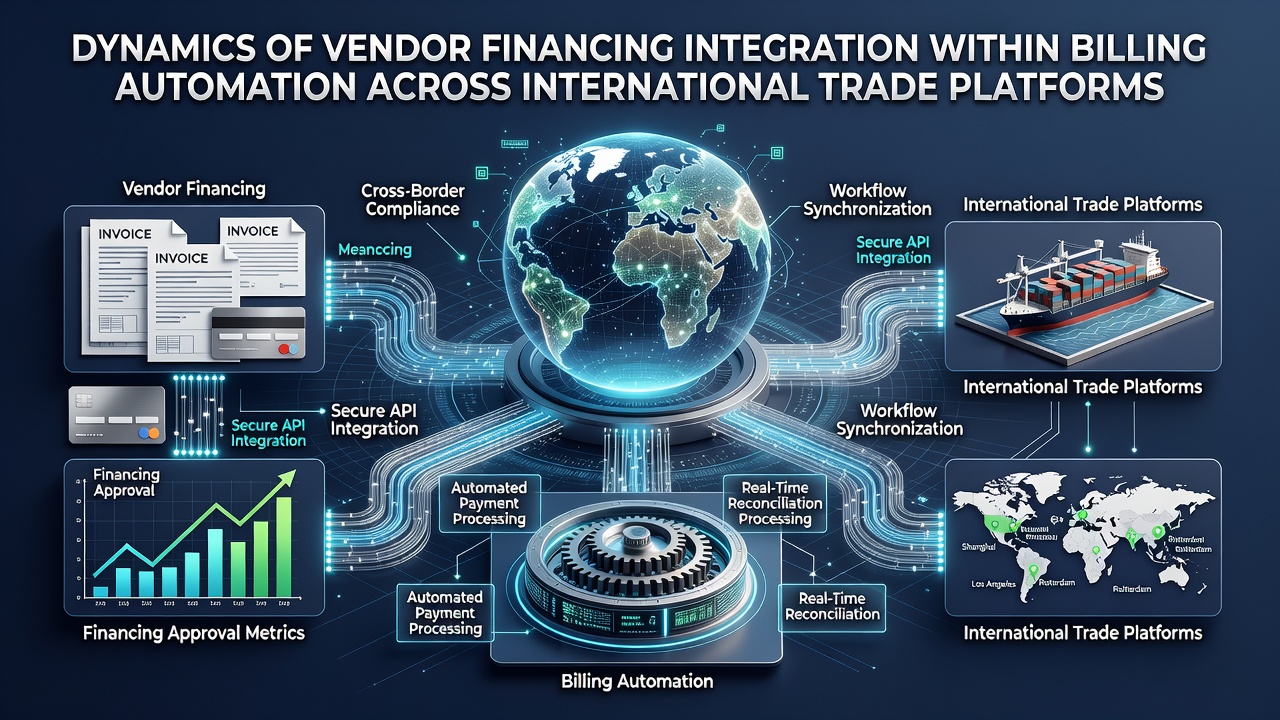
Those who studied platform logs across multiple jurisdictions found that Asian marketplaces frequently embed financing offers inside supplier dashboards, prompting vendors to accept advances at the moment invoices generate rather than after shipment confirmation. This timing difference alters cash flow patterns compared with Western setups that require separate approval steps.
Data Patterns Observed in Live Platform Operations
Transaction volumes processed through integrated financing modules grew consistently, with figures from the Bank for International Settlements indicating a 27 percent rise in automated credit draws during the first half of 2026 among platforms handling machinery exports. Patterns reveal that vendors using these tools maintain steadier production schedules because advances arrive before raw material payments come due.
Discrepancies between invoice amounts and credit line utilization appear most often in sectors with long lead times, such as pharmaceuticals, where regulatory approvals extend the interval between order placement and final billing. Platforms counter these gaps by updating risk models weekly based on aggregated shipment and payment data from prior cycles.
Conclusion
Integration of vendor financing within billing automation continues to reshape how international trade platforms manage supplier liquidity, with technical connections now standard across major networks. Regional adaptations reflect local regulations and market demands, while data from 2026 operations confirm measurable shifts in processing speed and credit access. Platforms that maintain these linkages report sustained participation from vendors who previously relied on slower traditional funding routes.