25 Jun 2026
Navigating Liquidity Synchronization Across Global Subscription Ecosystems
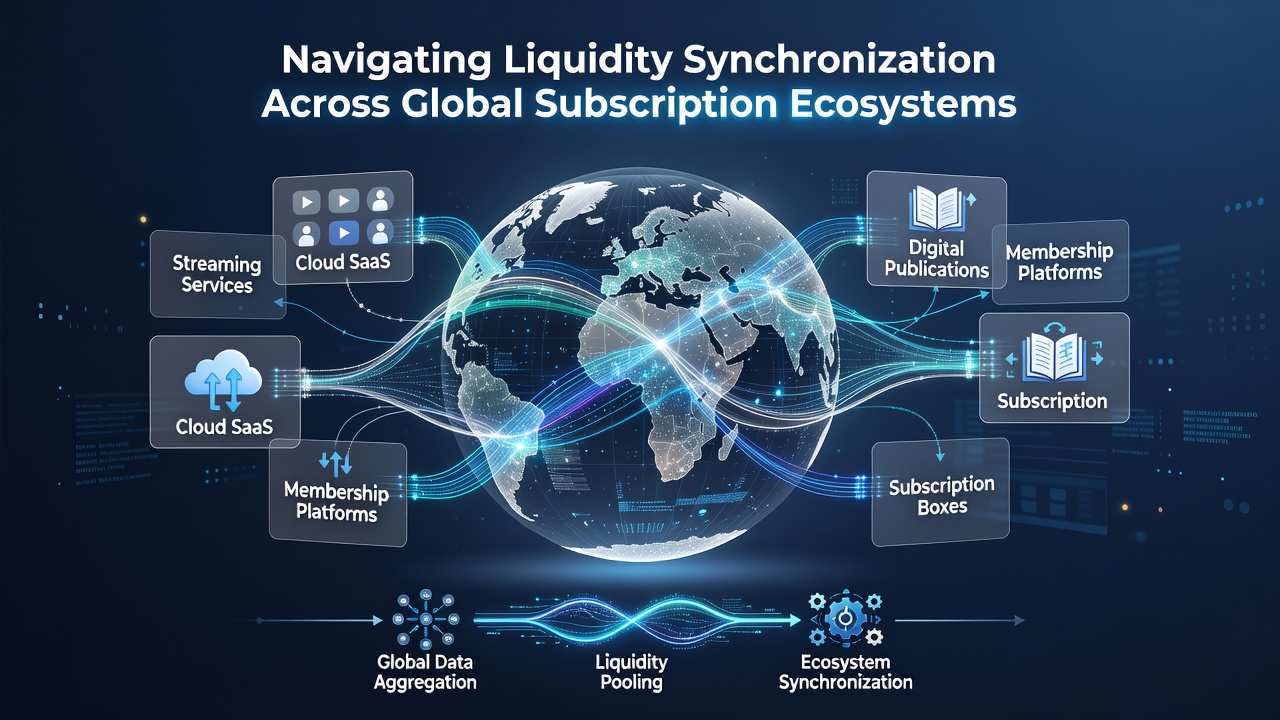
Subscription models continue to expand across digital marketplaces, creating complex networks where recurring revenue streams must align precisely with operational outflows in multiple currencies and time zones. Liquidity synchronization refers to the coordinated timing of incoming subscription payments and outgoing expenses so that platforms maintain adequate reserves without excessive idle capital. Observers note that mismatches often arise when billing cycles in one region fail to correspond with supplier payments or regulatory obligations in another.
Core Components of Liquidity Alignment
Effective synchronization relies on real-time data aggregation from payment processors, banking partners, and internal accounting systems. Platforms integrate application programming interfaces that consolidate transaction records, forecast renewal volumes, and adjust for failed charges across jurisdictions. Data from the Bank for International Settlements shows that cross-border subscription volumes grew steadily through 2025, highlighting the need for systems capable of handling settlement delays that range from same-day processing in some markets to multi-day clearing periods in others.
Those managing these ecosystems frequently segment liquidity pools by currency and region, applying automated rules that trigger transfers when projected inflows fall below predetermined thresholds. This segmentation reduces exposure to foreign exchange volatility, yet it requires continuous monitoring because subscription churn rates and seasonal demand patterns differ significantly between North American, European, and Asia-Pacific user bases.
Regional Regulatory Influences on Timing
Rules governing payment finality and reserve requirements vary widely, affecting how quickly platforms can deploy collected funds. In the European Union, the revised Payment Services Directive imposes strict timelines for fund availability, whereas certain markets in Southeast Asia permit longer holds on recurring transactions to accommodate local banking infrastructure. Research from the Monetary Authority of Singapore indicates that platforms operating across these environments often maintain parallel settlement accounts, each calibrated to local compliance calendars.
June 2026 marks the scheduled implementation of updated settlement standards by several Asia-Pacific central banks, which will shorten cross-border reconciliation windows for recurring billing. Companies already testing these protocols report improved matching between subscription collections and downstream vendor payments, particularly when automated reconciliation tools incorporate the new reporting formats.
Technological Infrastructure Supporting Synchronization
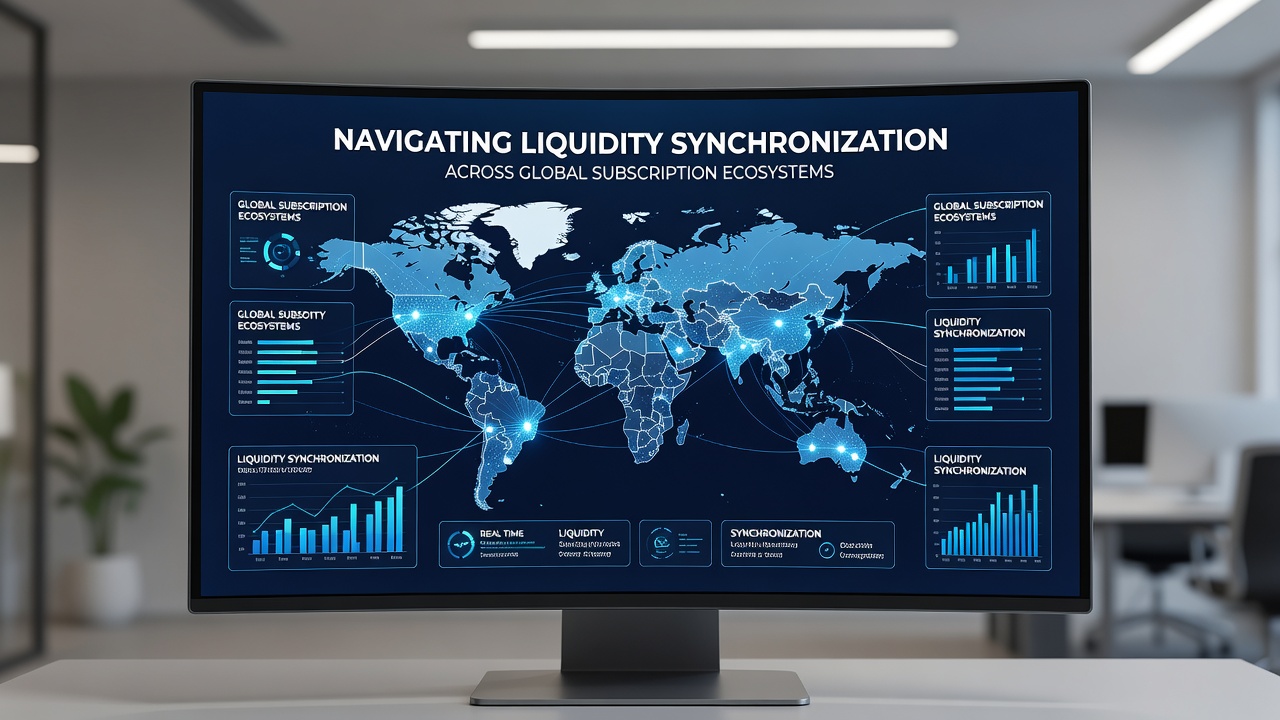
Modern platforms deploy predictive models that ingest historical renewal data, macroeconomic indicators, and platform-specific engagement metrics to project cash positions days or weeks ahead. These models operate continuously, recalibrating as new subscription activations or cancellations occur. Integration with treasury management systems allows automatic sweeping of surplus balances into short-term instruments or, conversely, drawing on pre-arranged credit lines when projected shortfalls appear.
One study conducted by researchers at the University of Toronto examined synchronization performance across forty multinational subscription services and found that firms employing unified data lakes achieved faster detection of timing discrepancies than those relying on siloed regional ledgers. The analysis covered transaction records spanning 2023 through early 2026, underscoring the value of consolidated visibility even when underlying payment rails remain distinct.
Operational Practices Across Platforms
Teams responsible for liquidity management typically establish daily reconciliation routines that compare expected versus actual inflows, flagging variances for immediate review. When discrepancies exceed tolerance levels, automated alerts trigger reviews of recent chargeback activity, renewal campaigns, or changes in user demographics within specific markets. Such routines have become standard among larger operators because manual intervention alone cannot keep pace with transaction volumes that often exceed millions of events per month.
Coordination between finance and product teams also plays a role, as adjustments to billing dates or pricing tiers can shift liquidity profiles. Platforms that simulate these changes within forecasting environments before rollout reduce the likelihood of unintended reserve shortfalls. External partners, including acquiring banks and foreign exchange providers, supply supplemental data feeds that refine these simulations further.
Conclusion
Liquidity synchronization across global subscription ecosystems depends on the integration of timely data, regulatory awareness, and automated decision frameworks. As settlement standards evolve in June 2026 and beyond, platforms that maintain flexible architectures stand positioned to adjust their cash management processes without disrupting service continuity. Ongoing observation of transaction patterns and regional policy shifts supplies the factual basis for refining these synchronization mechanisms over time.