18 Jun 2026
Patterns of Credit Line Management in API-Enabled Transaction Systems for International Merchants
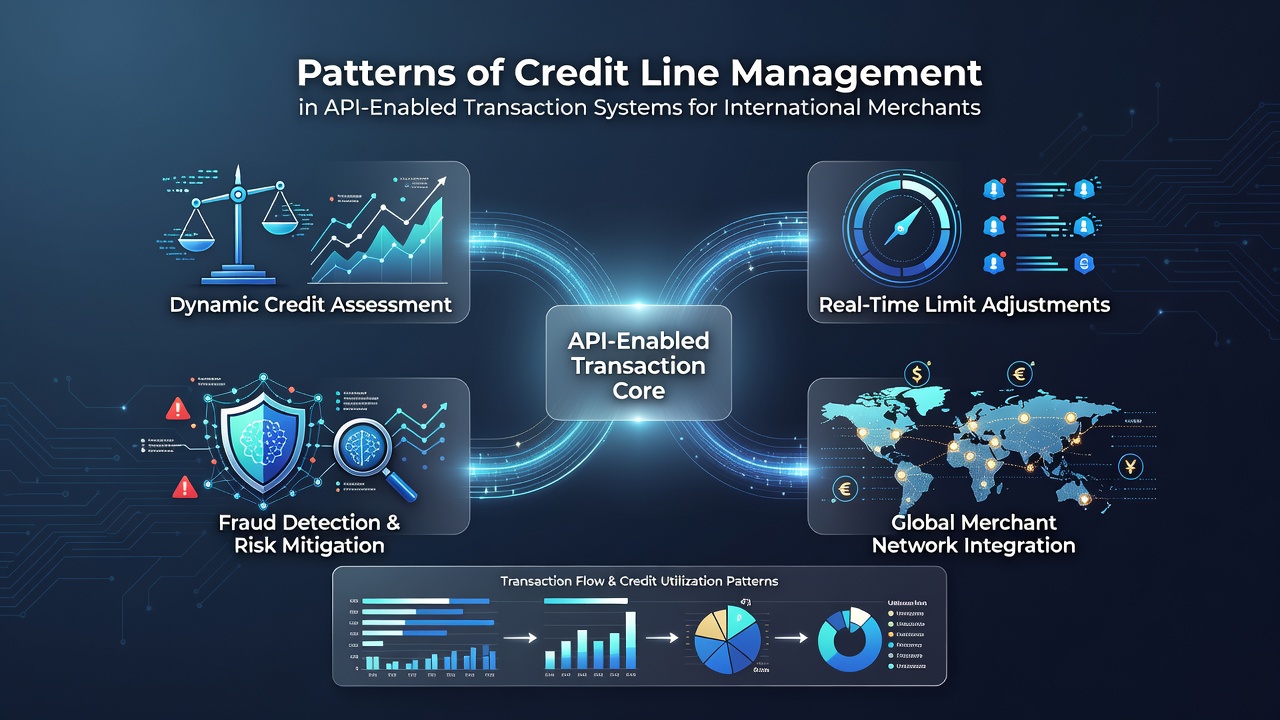
International merchants increasingly rely on API-enabled transaction systems to manage credit lines in real time, and this approach connects payment gateways directly to banking infrastructure so that credit availability adjusts based on live transaction data while currency conversions and compliance checks occur simultaneously. Systems pull information from multiple financial sources, which allows credit limits to scale up or down depending on sales volume, payment history, and risk indicators collected across different jurisdictions.
Core Mechanisms Driving Credit Line Adjustments
API connections enable automated credit evaluations that process thousands of data points in seconds, and these evaluations incorporate factors such as merchant location, buyer geography, and historical default rates reported by regional credit bureaus. When a transaction request arrives, the system queries the credit provider through standardized endpoints, returns an approval or adjusted limit, and logs the outcome for later reconciliation, all without manual intervention from the merchant side.
One network of cross-border retailers implemented layered API calls that first check local regulatory caps before confirming available credit, and this sequence prevents overextension in markets with strict lending rules while still supporting high-volume sales periods. Data from such implementations shows reduced processing delays because the API layer handles verification in parallel with inventory and shipping confirmations.
Regional Variations in Credit Allocation Patterns
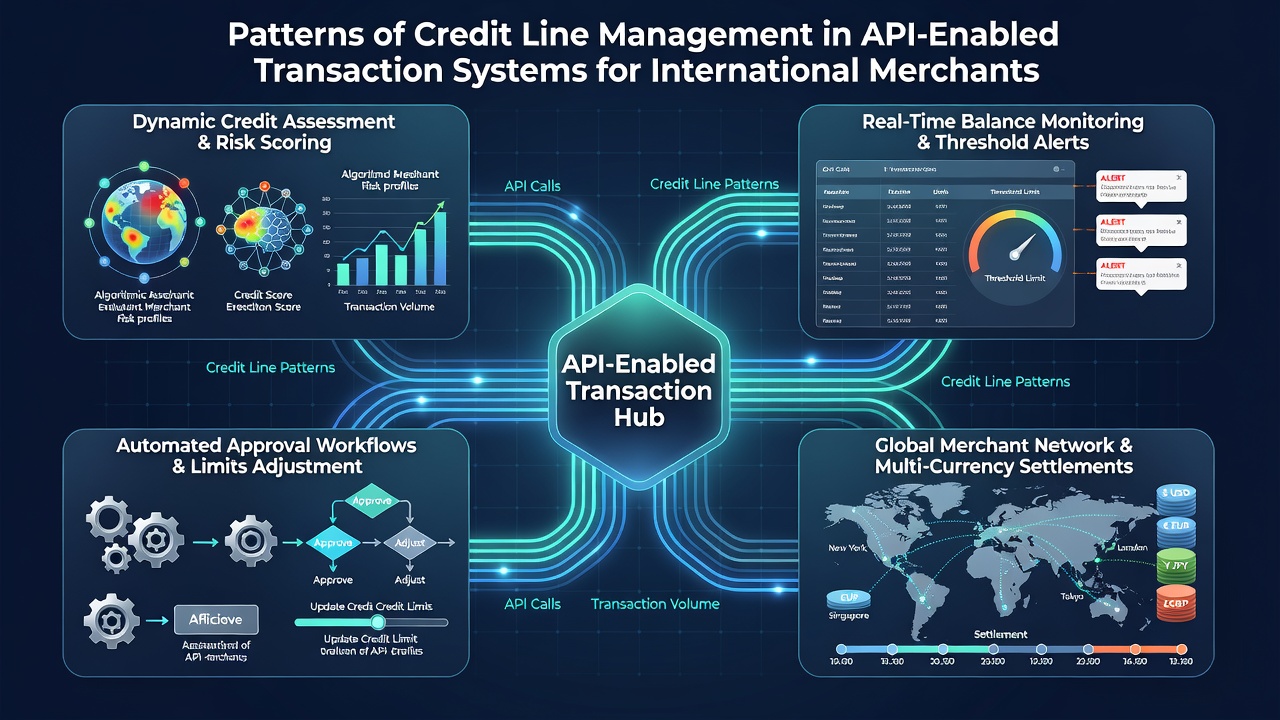
Merchants operating in Asia-Pacific regions often encounter credit lines tied to daily settlement cycles that differ from those in European or North American markets, and API platforms accommodate these differences by maintaining separate rule sets for each currency and regulatory environment. According to analysis from the Monetary Authority of Singapore, API-driven credit tools processed over 40 percent more cross-border transactions in 2025 than the previous year, with most adjustments occurring automatically based on incoming payment flows.
European merchants face additional layers because the European Central Bank requires detailed reporting on credit exposure across member states, and integrated APIs now embed these reporting functions so that credit line changes trigger immediate compliance updates. This setup reduces the need for separate manual filings while ensuring that credit remains available only within approved thresholds for each country of operation.
Integration with Multi-Currency and Compliance Requirements
API-enabled platforms handle simultaneous credit monitoring in several currencies by converting exposure values at prevailing exchange rates and applying buffers for volatility, and this process runs continuously so that a sudden shift in one market does not immediately affect limits in another. Merchants report that such synchronization helps maintain steady operations during periods of currency fluctuation, because the system recalculates available credit before each batch of authorizations rather than relying on end-of-day summaries.
In June 2026, several international payment networks introduced updated API specifications that include mandatory fields for environmental, social, and governance risk scoring alongside traditional credit metrics, and early adopters found these additions integrated smoothly into existing credit line management routines. The change reflects broader regulatory expectations that credit decisions account for non-financial factors when transactions span multiple regulatory zones.
Observed Operational Patterns Across Merchant Networks
Research indicates that merchants using unified API dashboards tend to maintain higher average credit utilization rates because real-time visibility allows them to request limit increases before reaching hard caps. Those same dashboards also flag unusual transaction clusters that might signal either fraud or legitimate growth, prompting the system to propose temporary credit expansions or holds depending on the pattern detected.
Observers note that smaller international sellers frequently combine credit line APIs with inventory management tools, creating closed-loop systems where stock replenishment triggers automatic credit reviews based on projected sales. This linkage appears most often in sectors with predictable seasonal demand, where advance planning through APIs helps align financing with upcoming order volumes.
Conclusion
API-enabled transaction systems continue to reshape how international merchants oversee credit lines by embedding automated checks, regional rule variations, and multi-currency calculations into single workflows. Patterns emerging from these implementations show consistent emphasis on speed, compliance integration, and proactive limit adjustments that respond directly to transaction activity across borders. As standards evolve, the same API frameworks are expected to support additional data layers while preserving the core function of matching credit availability to actual business needs in real time.