Platform Operators Align Credit Facilities With Automated Invoicing Systems to Support Worldwide Merchant Networks
Written by Parker Carter · Aug 23, 2026
Platform Operators Align Credit Facilities With Automated Invoicing Systems to Support Worldwide Merchant Networks
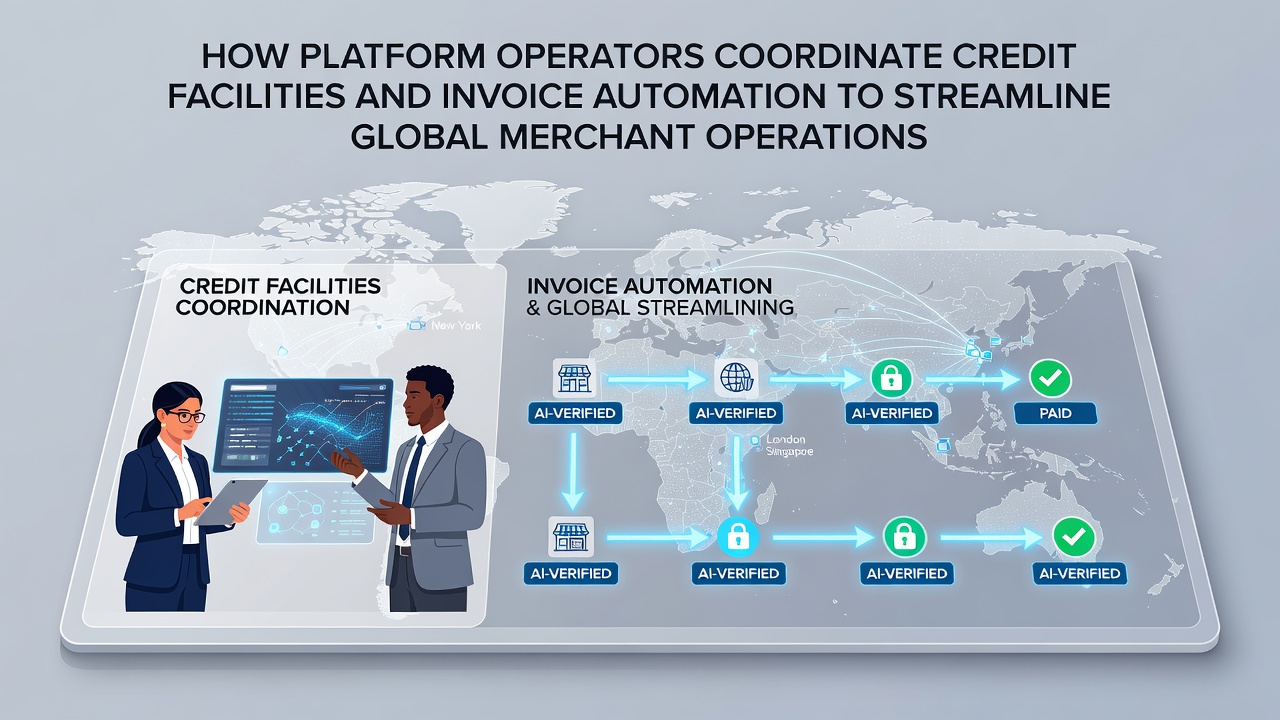
Platform operators manage credit facilities alongside invoice automation by linking financing approvals directly to transaction data feeds, and this coordination allows merchants to access working capital without separate loan applications while invoices generate automatically from the same records. Data flows from point-of-sale systems into credit scoring models that assess eligibility in real time, and operators then route approved amounts into merchant accounts on schedules that match invoice due dates. Researchers at institutions such as the Bank for International Settlements have documented how these connections reduce processing delays across borders, particularly when platforms operate in multiple currencies and regulatory environments.
Core Mechanisms of Credit and Invoice Linkage
Operators establish application programming interfaces that pull merchant sales history, inventory levels, and payment patterns into unified dashboards, and credit limits adjust dynamically based on those inputs rather than static annual reviews. Invoice automation software then tags each generated bill with financing status indicators, which lets merchants see available credit drawdowns next to outstanding receivables. Studies from the European Central Bank indicate that such integration cuts administrative steps by combining verification processes that previously ran on separate tracks, and platforms in the Asia-Pacific region have adopted similar models to handle high-volume cross-border trade.
Regional Implementation Patterns Observed in 2025-2026
Merchants in the European Union benefit from standardized data protocols that align with digital finance regulations, while operators in Canada and Australia have introduced localized scoring adjustments that account for seasonal export cycles. By August 2026, several major platforms plan to expand these linkages to include real-time currency conversion within the same automated workflow, and this development follows pilot programs that demonstrated reduced settlement times for vendors operating across time zones. One study revealed that platforms coordinating these elements report higher retention rates among small and medium enterprises that rely on predictable cash flow from combined credit and billing tools.
Data Pathways and Verification Layers
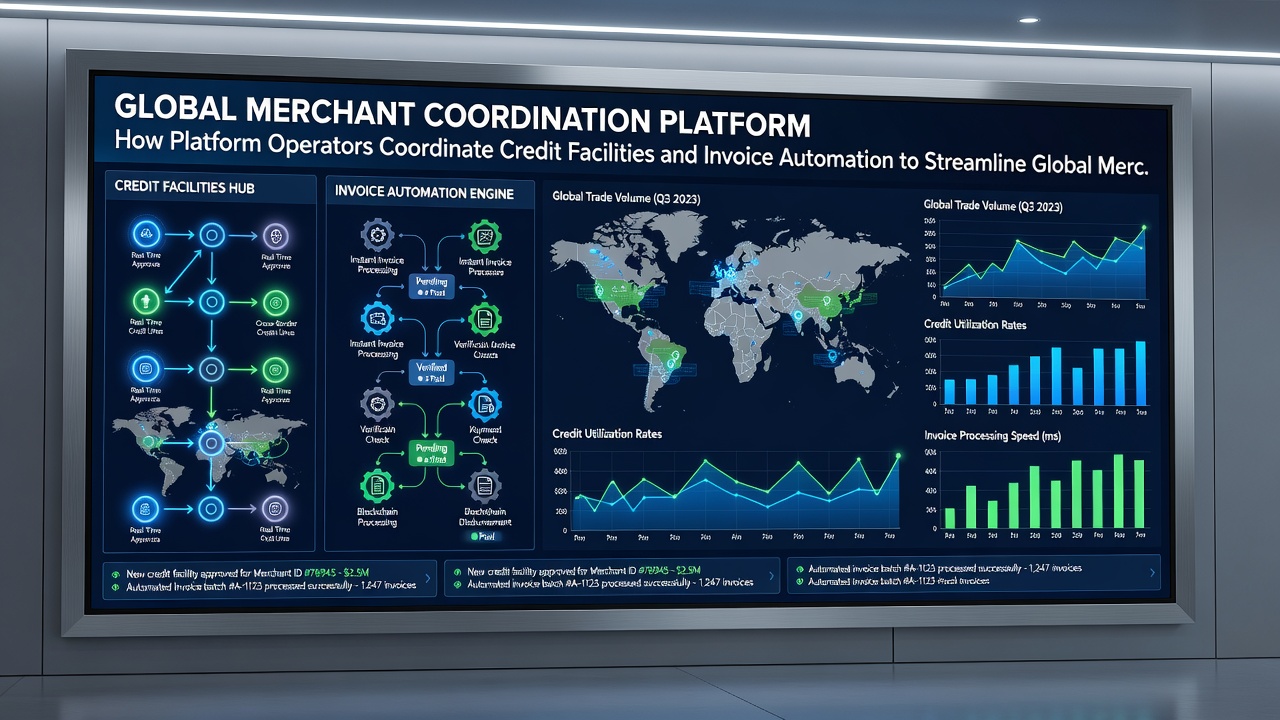
Transaction records move through encrypted channels that feed both credit assessment engines and invoice generation modules simultaneously, and this parallel processing eliminates duplicate data entry while maintaining audit trails required by financial authorities. Observers note that platforms incorporate third-party risk signals, such as shipping confirmations or buyer payment histories, to refine credit availability before invoices finalize. Those who've examined API documentation from leading providers find that error-checking routines flag discrepancies between credit draws and billed amounts within seconds, which prevents mismatches that could disrupt merchant operations.
Examples From Expanding Digital Marketplaces
Take one operator managing a marketplace for electronics exporters in Southeast Asia, where credit facilities activate automatically once invoice automation confirms delivery milestones, and similar setups appear in Latin American platforms serving agricultural suppliers. Figures from industry reports show that merchants using these coordinated systems experience fewer cash gaps during peak seasons because financing decisions incorporate live invoice data rather than monthly summaries. Experts have observed that the approach scales effectively when platforms maintain consistent rule sets across jurisdictions, even as local tax reporting requirements differ.
Challenges in Maintaining Synchronization
Disparate banking hours and regulatory reporting calendars create occasional timing mismatches, yet operators address these through scheduled reconciliation batches that run outside peak transaction periods. Data indicates that platforms investing in redundant verification nodes maintain higher uptime for both credit access and invoice delivery, and this infrastructure supports merchants who process orders around the clock. What's significant is how these technical adjustments keep the overall coordination intact without requiring merchants to intervene manually.
Conclusion
Platform operators achieve streamlined merchant operations by embedding credit facility management inside invoice automation workflows, and the resulting systems deliver financing and billing functions through shared data streams that span international networks. Evidence from regulatory analyses and platform implementations continues to show measurable reductions in processing friction as these integrations mature through 2026 and beyond.