26 May 2026
Reimagining Risk Management in Automated Charge Systems for Merchants Utilizing Integrated Financing and Verification Tools
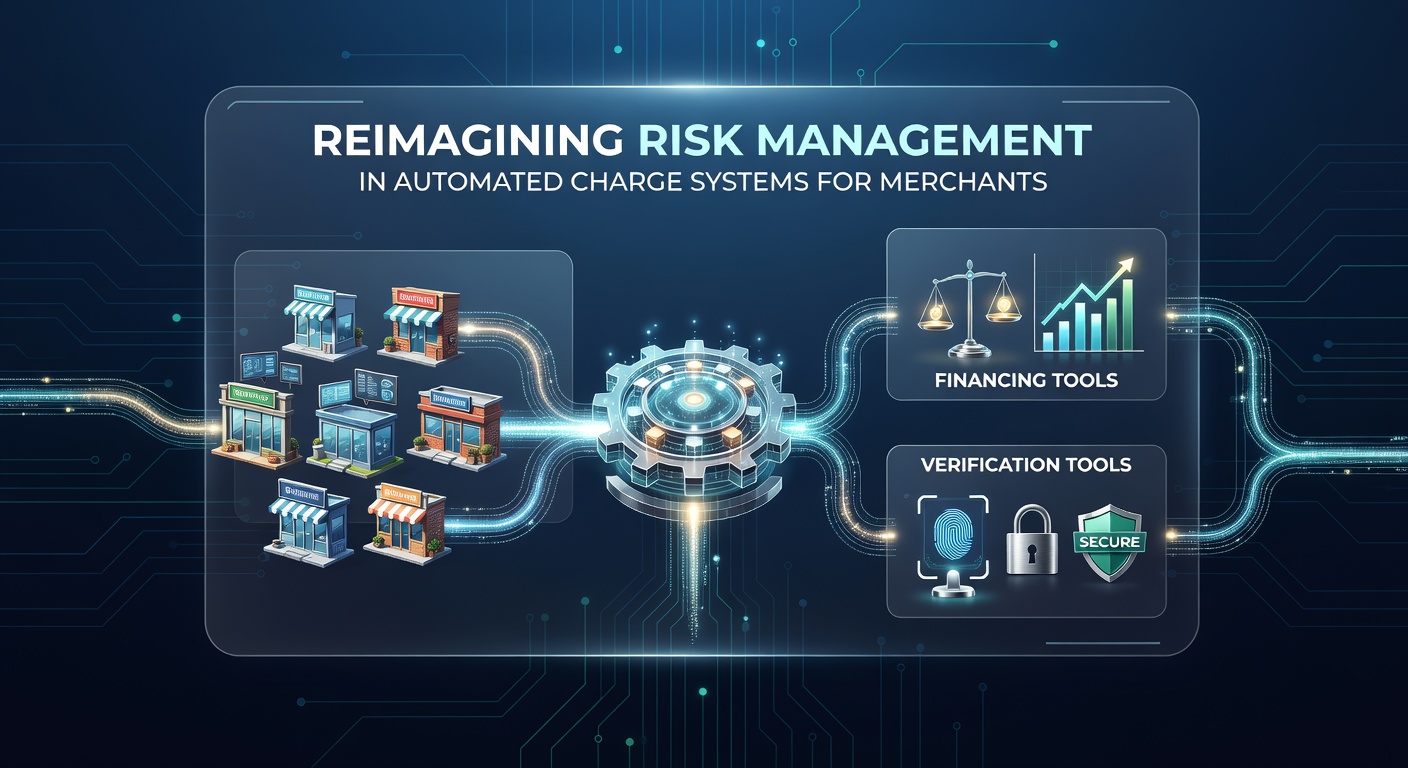
Automated charge systems have become central to merchant operations across subscription services and recurring billing models, yet these platforms continue to face elevated risks from unauthorized transactions and compliance gaps. Merchants now combine financing integrations with verification protocols to address these challenges in coordinated ways, creating layered defenses that operate in real time.
Core Components of Modern Automated Charge Systems
Automated charge systems rely on scheduled payment triggers that pull funds from stored credentials, and when financing tools enter the mix, they allow merchants to offer credit options alongside direct debits. Verification tools such as address validation, device fingerprinting, and identity matching run in parallel, checking each transaction against historical patterns before authorization occurs. Data from the Federal Trade Commission shows that subscription-related complaints rose steadily through 2025, prompting merchants to tighten these combined processes.
How Integrated Financing Alters Risk Profiles
Financing integrations introduce additional variables because credit extensions require creditworthiness checks that overlap with payment authorization steps. Merchants embed these checks into the same automated flows, which reduces separate approval stages while maintaining audit trails. Observers note that this approach shortens the window during which fraudulent activity can go undetected, since financing approval and payment verification happen within a single sequence rather than sequential handoffs.
Verification Tools and Their Role in Real-Time Decisioning
Verification layers scan multiple data points including government-issued identification, bank account details, and behavioral signals collected during previous interactions. When these tools connect directly to financing engines, they flag inconsistencies such as mismatched addresses or unusual device locations before a charge processes. Research indicates that systems using unified verification see fewer chargebacks because disputes get resolved at the point of initial authorization rather than after funds have moved.

Operational Adjustments Observed in 2026
By May 2026, several large-scale deployments had shifted toward unified dashboards where financing decisions and verification outcomes appear side by side. This setup lets operations teams adjust thresholds for credit offers based on live fraud signals without rebuilding entire billing cycles. European Central Bank figures released earlier that year documented similar patterns among euro-area merchants, where integrated systems correlated with measurable declines in unauthorized recurring transactions.
Compliance Considerations Across Jurisdictions
Regulatory requirements differ by region, yet integrated systems help merchants satisfy multiple rules through shared data repositories. Consumer protection statutes in various markets demand clear disclosure of financing terms, and verification records serve as evidence that merchants performed required due diligence. Those who maintain centralized logs find it easier to demonstrate compliance during audits because every financing decision ties directly to a verified customer profile.
Case Examples from Industry Deployments
One merchant operating across North America and Australia connected its financing partner API with an existing verification service, resulting in automated holds on accounts that failed cross-border identity checks. Another platform serving European customers used device-based signals to adjust credit limits dynamically, limiting exposure on high-risk profiles while preserving approval rates for established users. These examples illustrate how the same technical stack can adapt to different regulatory environments without requiring separate risk engines.
Future Trajectories for Risk Frameworks
Continued refinement of machine learning models that ingest both financing and verification data promises further compression of false positive rates. Industry reports suggest that merchants who maintain open data flows between these two functions achieve faster iteration on risk rules compared with those who treat financing and verification as isolated modules. The pattern holds across multiple sectors, indicating that integration itself functions as a structural improvement rather than a temporary workaround.
Conclusion
Reimagining risk management through integrated financing and verification tools gives merchants measurable control over automated charge systems. The approach aligns payment authorization with credit assessment in ways that reduce both fraud exposure and compliance friction. As deployments continue through 2026 and beyond, the emphasis remains on unified data handling that supports real-time decisions across varied regulatory landscapes.