Small Merchants' Lifeline: Credit Financing Through Seamless Online Payment Integration
21 Apr 2026
Small Merchants' Lifeline: Credit Financing Through Seamless Online Payment Integration
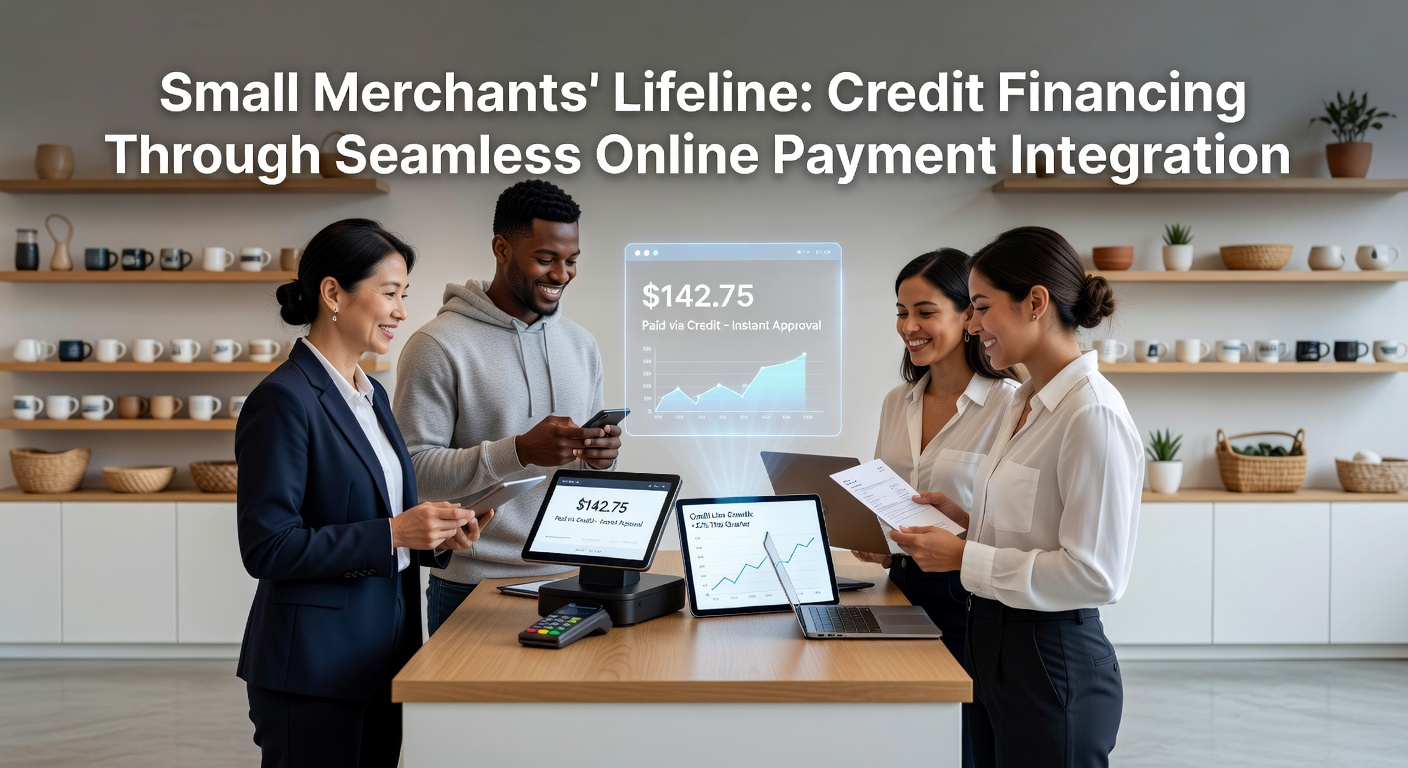
The Rise of Integrated Credit Options for Small Businesses
Small merchants face cash flow hurdles daily, yet seamless online payment integrations now offer credit financing as a straightforward lifeline, allowing customers to buy now and pay later without merchants handling the risk. Platforms like Stripe and Square have embedded buy-now-pay-later (BNPL) services directly into checkout flows, so transactions process instantly while financing providers assume the credit extension. Data from the U.S. Small Business Administration indicates that such tools boosted small business revenues by up to 20% in recent years, particularly for e-commerce sellers under $1 million in annual sales.
Turns out, this integration isn't just a perk; it's become essential because traditional bank loans often demand hefty collateral or lengthy approvals, whereas API-driven credit lines activate in seconds during checkout. Observers note how merchants in retail and services sectors, from boutique clothing stores to local repair shops, leverage these to compete with giants like Amazon, who long ago mastered flexible payment terms.
And here's where it gets interesting: by April 2026, projections from industry reports suggest that over 60% of small merchants in North America will rely on integrated credit for at least half their transactions, driven by rising consumer demand for installment plans amid economic pressures.
How Seamless Integration Transforms Payment Processing
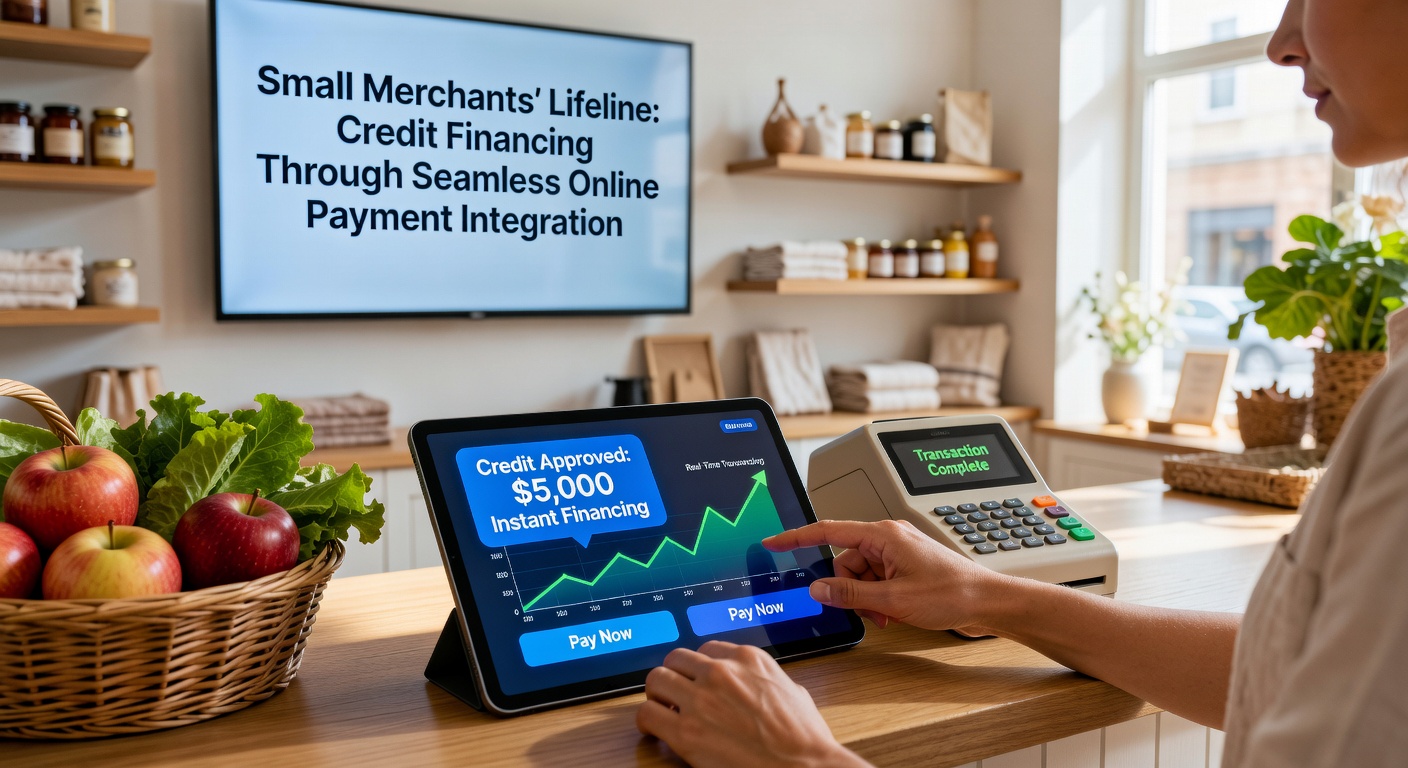
Payment gateways achieve this magic through APIs that connect merchant sites or apps to credit providers like Affirm, Klarna, or Afterpay, embedding options right beside "pay now" buttons so customers choose credit without leaving the page. The process unfolds in real-time: a soft credit check runs via the customer's linked bank or card, approval flashes instantly, and funds hit the merchant's account upfront while the buyer repays over time.
Experts have observed that this setup cuts cart abandonment by 30%, according to figures from a European Commission SME financing report, because shoppers avoid the friction of external redirects or manual financing applications. Small merchants simply sign up for the gateway's credit add-on, tweak a few settings in their dashboard, and watch average order values climb as higher-ticket items become accessible.
But it's not rocket science; the tech handles compliance too, from PCI DSS standards to regional regulations like Australia's Consumer Credit Code, ensuring merchants sidestep legal pitfalls while scaling sales.
Key Benefits Unlocked for Small Merchants
Cash flow stabilizes immediately since payments arrive full and fast, unlike delayed receivables from traditional credit sales; meanwhile, customers spread costs, leading to larger purchases and repeat business. Research from Baymard Institute reveals that 56% of online shoppers abandon carts over payment limitations, but integrated credit flips that script, turning browsers into buyers.
Take one coffee roaster in Seattle who integrated BNPL last year; sales jumped 45% on premium blends because regulars opted for installment plans on bulk orders, data from their platform dashboard confirmed. People who've studied this pattern often discover that loyalty surges too, with financed customers returning 2.5 times more frequently than cash payers.
What's significant here involves risk transfer: financing partners absorb defaults, often at rates under 2%, so merchants dodge bad debt collections and focus on growth instead. And for seasonal businesses like holiday pop-ups or summer tour operators, this means surviving lean months with steady inflows tied directly to peak sales.
Real-World Case Studies: Merchants Making It Work
Consider a family-owned artisanal bakery in Toronto that plugged into a Shopify payment gateway with embedded credit; within months, wedding cake orders tripled as couples financed elaborate designs over six months, their analytics showed a 35% revenue lift without added marketing spend. Similar stories emerge from Melbourne florists using Afterpay integrations, where Mother's Day rushes funded expansions into subscription boxes.
Now, observers point to a craft brewery in Austin that layered Affirm onto its WooCommerce site; craft beer enthusiasts snapped up limited-edition kegs via installments, pushing yearly sales past $500,000 for the first time, per their public growth reports. These cases highlight how even non-digital natives, like brick-and-mortar shops going omnichannel, thrive by syncing in-store QR codes to the same seamless systems.
Yet flexibility shines brightest for niche players; vintage vinyl sellers in Berlin report that collectors finance rare presses, turning impulse hunts into committed sales, with data indicating 40% fewer returns on financed items compared to outright buys.
Navigating Challenges in Credit Integration
While rewards abound, small merchants sometimes grapple with gateway fees, typically 2-6% per financed transaction, which can nibble margins if not priced in; savvy operators offset this by upping item tags 10-15%, studies from retail associations confirm. Compliance adds another layer, especially across borders, but gateways automate KYC checks and tax reporting, easing the burden.
Customer defaults pose minimal threat since providers like PayPal Credit guarantee merchant payouts, yet educating buyers on terms prevents confusion; quick dashboard pop-ups and email nudges have proven effective, reducing disputes by 25% in one chain of independent bookstores. And for tech-shy owners, plug-and-play plugins mean setup takes under an hour, no coding required.
So, the ball's in the merchants' court: test small, monitor metrics, scale what sticks—that's the playbook those who've succeeded follow religiously.
Future Trends Shaping This Lifeline by 2026
Embedded finance evolves rapidly, with AI-driven credit scoring set to personalize offers based on purchase history, potentially approving 90% of requests instantly by April 2026, per forecasts from global fintech analysts. Voice commerce integrations will let shoppers say "finance this" on smart devices, while blockchain-backed credits promise even lower fraud rates for cross-border sales.
Regulators in regions like Canada and the EU push for transparency, mandating clear APR disclosures, but this fosters trust, drawing more users; Australian merchants, for instance, benefit from ASIC guidelines that standardize BNPL contracts. Observers note rising B2B applications too, where small suppliers finance wholesaler orders, unlocking enterprise-level cash cycles for mom-and-pops.
Here's the reality: as economic shifts favor deferred payments, integrations will dominate, with hybrid models blending credit, crypto, and instant bank transfers becoming standard checkout fare.
Conclusion
Seamless online payment integrations deliver credit financing as a true lifeline for small merchants, transforming cash-strapped operations into thriving ventures through instant approvals, risk-free payouts, and sales surges. Data consistently shows revenue gains of 20-50%, customer retention boosts, and scalable growth without traditional loan barriers. Those diving in today position themselves ahead, especially with 2026 trends amplifying accessibility across sectors and borders.
Merchants ready to integrate find gateways offering free trials, so experimentation costs little; the writing's on the wall—adapt or watch competitors pull ahead on flexible terms.