7 Jul 2026
The Synchronization of Transaction Security Measures with Credit Line Adjustments in Global Online Commerce Networks
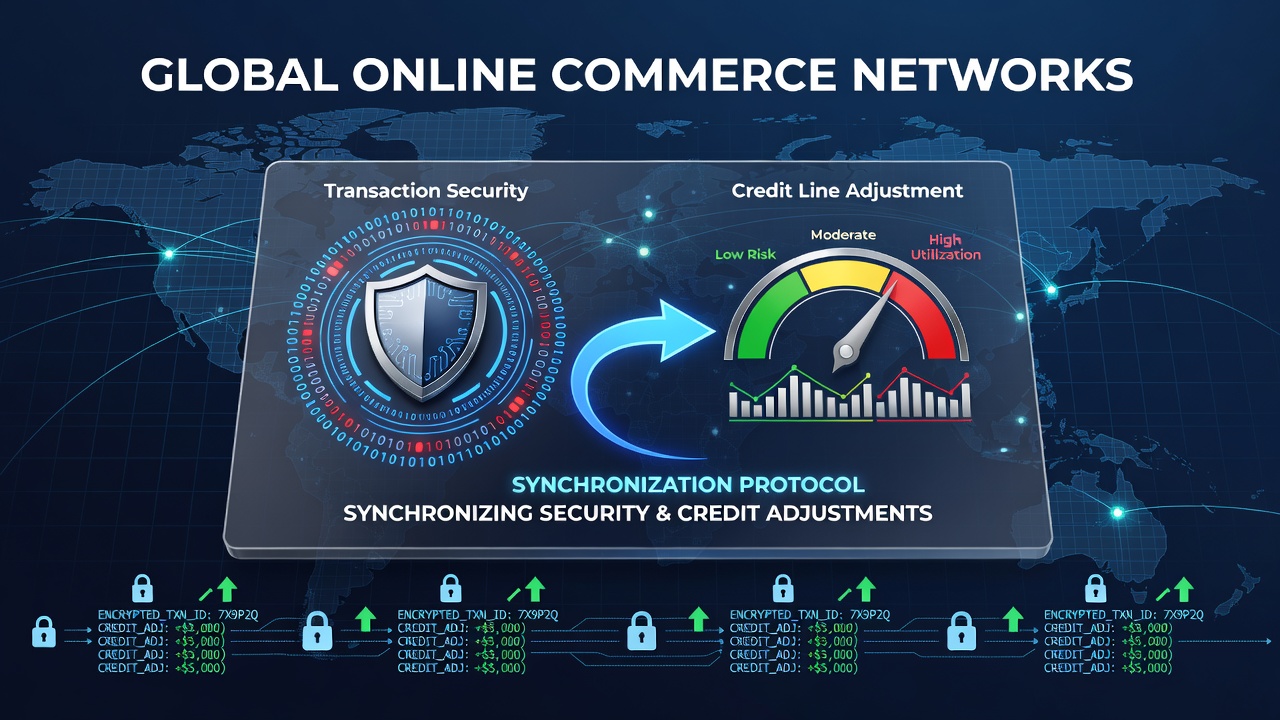
Global online commerce networks operate through interconnected systems where transaction security protocols align directly with credit line adjustments, allowing platforms to respond to risk signals while maintaining payment flows across borders. Researchers have documented how these synchronized processes rely on data exchanges between fraud detection engines and credit management modules, with algorithms evaluating authorization patterns before modifying available credit in real time.
Core Mechanisms Driving Alignment
Security measures such as multi-factor authentication checks and behavioral analytics feed into credit decision engines, which then recalibrate limits based on transaction velocity and geographic indicators. One study from the Bank for International Settlements revealed that synchronized frameworks reduced unauthorized transaction attempts by integrating velocity thresholds with dynamic credit caps, particularly in cross-border scenarios where currency fluctuations add layers of complexity. Platforms achieve this coordination through application programming interfaces that transmit verification outcomes instantaneously, enabling credit lines to expand or contract without interrupting checkout sequences.
Those who've examined these networks note that rule-based triggers play a central role, as a failed security query on a high-value order can prompt an immediate hold on further credit extension until manual review occurs. Data from international merchant networks shows this approach processes millions of daily interactions while preserving liquidity for legitimate users who complete additional verification steps.
Implementation Across International Platforms
Merchants operating in multiple regions encounter varying regulatory requirements that influence how security and credit functions coordinate. In the European Union, standards from the European Central Bank emphasize strong customer authentication that ties into credit monitoring tools, whereas platforms serving Asia-Pacific markets often incorporate local payment scheme rules that adjust limits according to regional fraud indices. Observers note these differences require flexible architectures capable of routing signals through centralized risk engines before applying localized credit rules.
Take one global marketplace operator who integrated security scoring with credit allocation across 40 countries, resulting in automated adjustments that responded to patterns like unusual login locations or device mismatches. Figures from industry reports indicate such implementations maintain approval rates above 92 percent while flagging less than 1.5 percent of transactions for additional review.
Technological Infrastructure Supporting Coordination
Application programming interfaces serve as the primary conduits for data exchange between security layers and credit systems, transmitting encrypted payloads that include risk scores alongside account history summaries. Tokenization further supports this process by replacing sensitive card details with unique identifiers that carry embedded risk metadata, allowing credit adjustments to occur without exposing full financial credentials during each synchronization event. Experts have observed that cloud-based orchestration tools enable these exchanges to scale during peak periods such as holiday shopping cycles, where transaction volumes can increase fivefold.
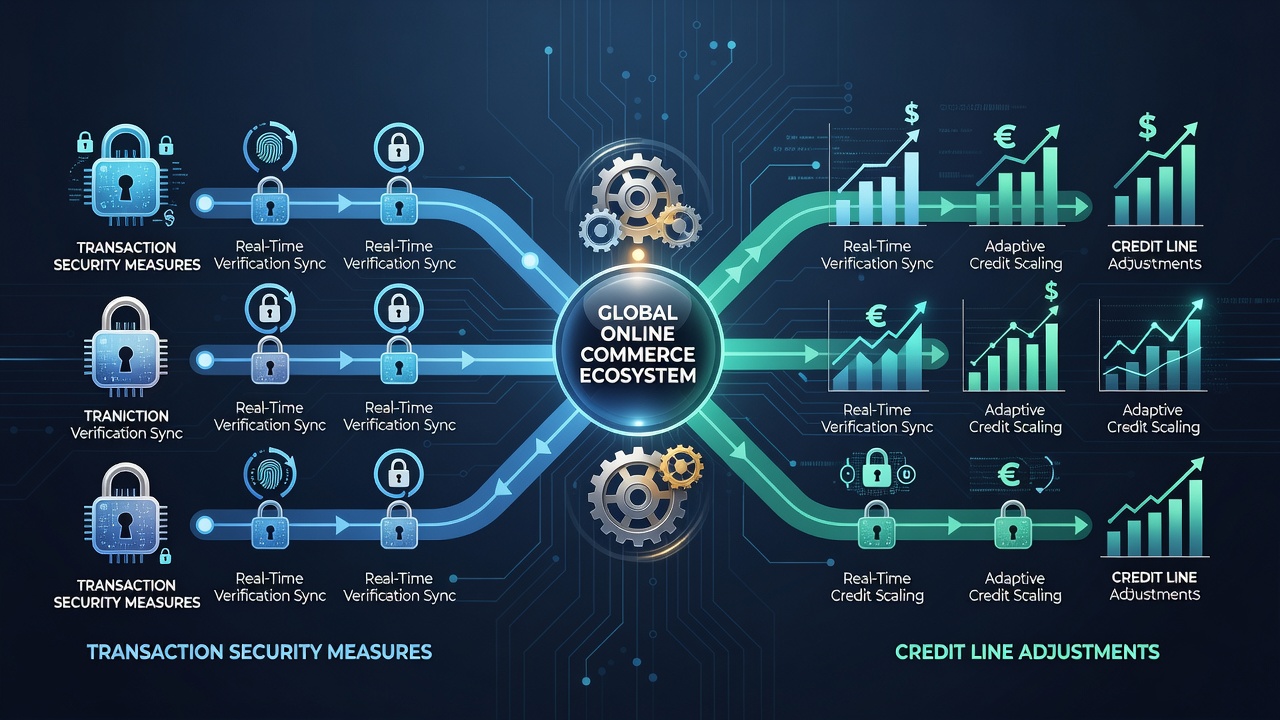
By July 2026, several major networks had deployed machine learning models trained on multi-year transaction datasets, allowing predictive synchronization that anticipates credit needs based on early security signals rather than reacting after verification completes. Research indicates these models draw from aggregated anonymized data shared across consortiums, improving accuracy in emerging markets where credit histories remain sparse.
Effects on Merchant Operations and User Experience
Merchants benefit from reduced chargeback volumes when security protocols and credit adjustments operate in tandem, as flagged accounts receive temporary limit reductions that prevent overextension before disputes arise. Those managing subscription-based models find particular value in recurring authorization checks that trigger proportional credit recalibrations, ensuring consistent revenue collection while mitigating exposure. Consumers encounter fewer interruptions at checkout when prior successful verifications lead to automatic credit increases, although sudden drops in available credit can still occur if new risk indicators appear mid-session.
Patterns observed in global datasets show that synchronization reduces average processing latency by 18 percent compared with sequential systems that handle security and credit separately. Platforms achieve this efficiency through event-driven architectures that propagate changes across distributed ledgers, maintaining consistency even when regional nodes experience temporary outages.
Conclusion
The synchronization of transaction security measures with credit line adjustments continues to evolve as networks incorporate additional data sources and refine coordination protocols. Evidence from worldwide implementations demonstrates measurable improvements in fraud containment alongside sustained transaction throughput, particularly as platforms adapt to emerging regulatory landscapes and technological capabilities. Observers tracking these developments highlight the ongoing integration of predictive analytics as a key factor shaping future system designs across international commerce environments.