31 May 2026
Tokenization's Contribution to Stable Revenue Collection Across Platform Economies
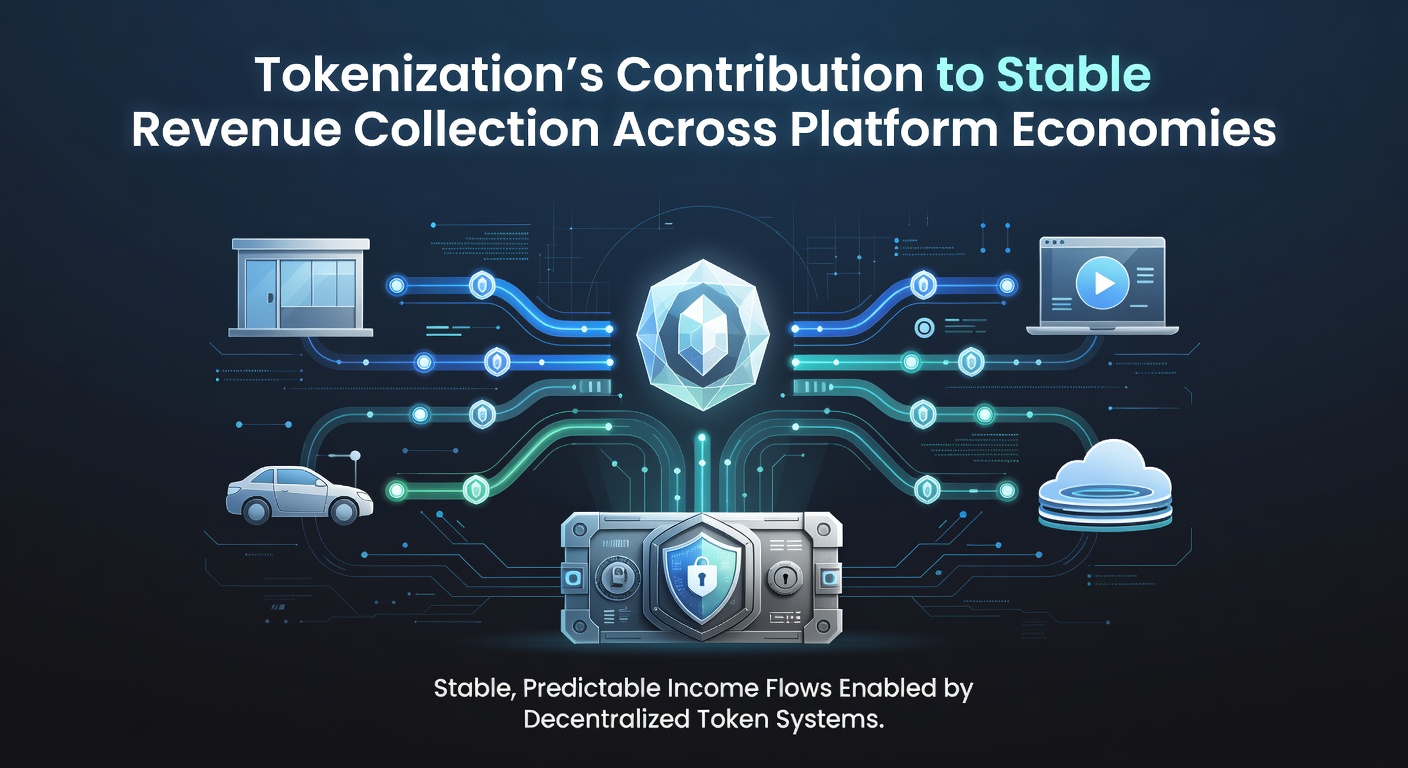
Platform economies rely on continuous transaction streams from users who engage with services such as ride sharing, accommodation booking, freelance marketplaces, and software distribution, and tokenization replaces sensitive payment credentials with unique identifiers that maintain functionality while limiting exposure during data handling processes. Researchers at institutions studying digital commerce have documented how this substitution supports uninterrupted revenue flows by minimizing the impact of security incidents that would otherwise disrupt billing cycles.
Mechanics of Tokenization in Recurring Platform Transactions
Tokenization generates a surrogate value for card details or bank account information at the point of initial authorization, after which the actual data never traverses the merchant environment again; instead, payment processors store the original credentials in secure vaults while platforms receive only the token for subsequent charges. This separation proves essential in environments where users authorize repeated deductions for subscriptions or usage based fees, because any breach at the platform level yields no usable financial data. Studies from the Bank for International Settlements indicate that adoption rates for such methods in digital marketplaces have increased steadily since 2023, correlating with fewer interruptions in revenue collection reported by operators in multiple regions.
Network operators issue tokens that remain valid only within designated merchant categories or geographic zones, adding another layer that restricts misuse if a token is intercepted. In practice, a platform handling thousands of micro transactions daily can process charges through these limited scope tokens without re-entering full payment information, which reduces both processing latency and the administrative overhead associated with updating stored credentials when cards expire or are replaced.
Impact on Revenue Predictability
Stable revenue collection depends on high authorization success rates and low rates of involuntary churn caused by failed payments or security related account suspensions. Tokenization contributes to both metrics by enabling seamless updates to payment methods behind the scenes and by supporting strong customer authentication flows that satisfy regulatory requirements without adding friction at each billing event. Figures released by the Federal Reserve in early 2025 showed that platforms employing tokenized payment flows experienced authorization approval rates several percentage points above those relying on traditional credential storage, a difference that compounds across millions of transactions to produce measurable differences in collected revenue.
Observers note that chargeback volumes also decline when tokens replace raw card data, because fraud detection systems can tie transactions more precisely to the originating device and user behavior patterns. This reduction in disputed charges preserves revenue that would otherwise be reversed, while simultaneously lowering the operational costs tied to dispute resolution. In platform settings where revenue shares flow to multiple parties such as drivers, hosts, or content creators, consistent collection through tokenized rails ensures timely distributions that maintain ecosystem participation.
Integration With Regulatory and Security Frameworks
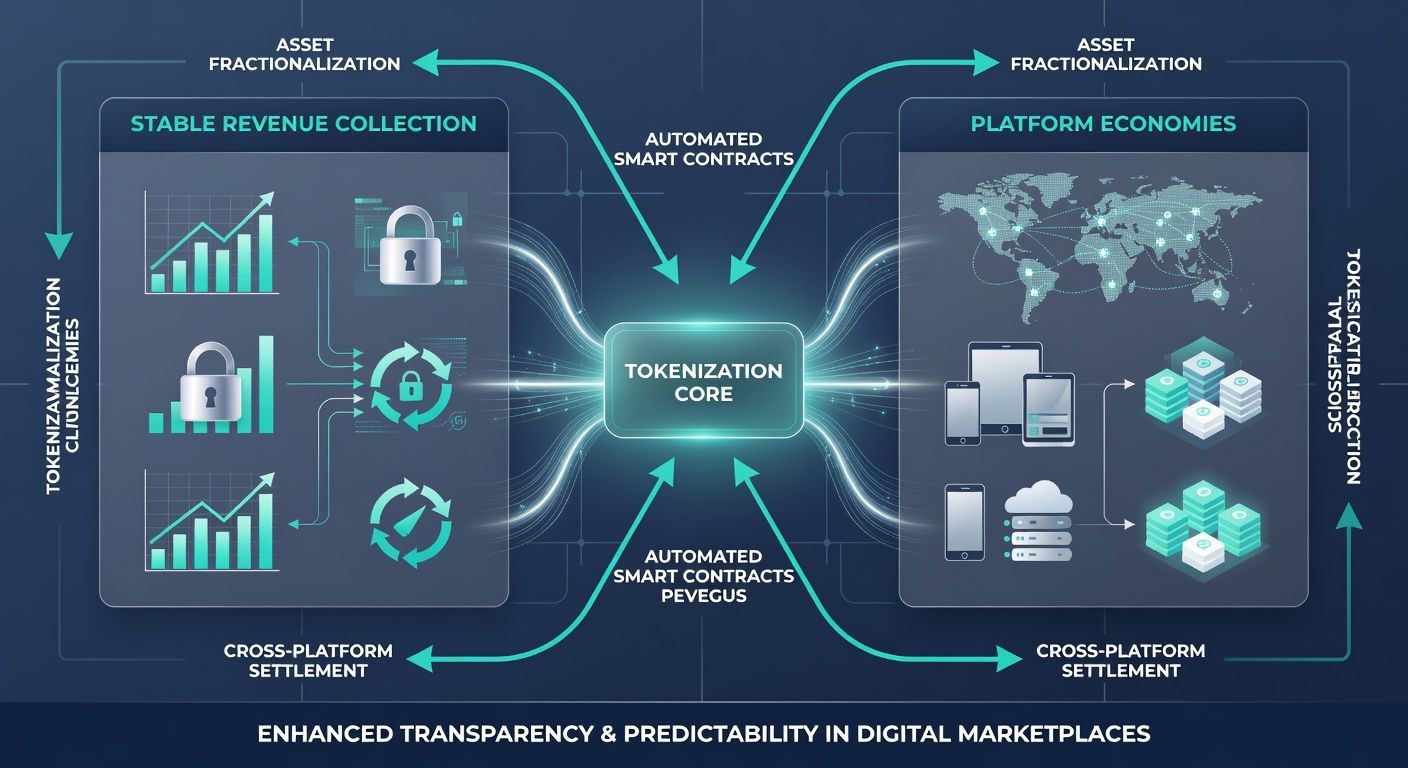
Regulatory bodies across different jurisdictions have incorporated tokenization expectations into guidelines governing electronic payments, with the European Central Bank highlighting its role in meeting strong customer authentication mandates under revised payment services directives. Compliance becomes simpler when platforms never hold sensitive account data, shifting the compliance burden toward specialized token service providers that undergo regular audits. As of May 2026, updates to reporting requirements in several markets now request disclosure of tokenization usage rates among large digital intermediaries, reflecting recognition that these techniques support both consumer protection and market stability objectives.
Academic analyses from research centers in Canada and Australia have examined how tokenization interacts with open banking frameworks, demonstrating that tokenized connections can coexist with account to account payment schemes while preserving the convenience of stored credentials for users. The resulting hybrid environments allow platforms to offer multiple collection methods without increasing their own data storage obligations, which in turn supports broader geographic expansion where local regulations differ on data residency rules.
Case Observations From Major Platforms
One documented implementation involved a global accommodation platform that transitioned its stored payment methods to tokenized equivalents over an 18 month period, after which internal metrics showed a sustained drop in failed recurring charges linked to expired credentials. Another example appears in software marketplaces where developers receive payouts from user subscriptions; the use of tokens allowed the operator to rotate underlying payment rails in response to regional banking changes without requiring end users to reauthorize each time.
These transitions did not eliminate all revenue leakage, yet they concentrated remaining issues in areas such as insufficient funds rather than security or credential failures, enabling more targeted interventions like retry logic or user notifications. Data aggregators tracking platform performance have noted that operators adopting tokenization earlier tended to report more stable quarter over quarter revenue figures during periods of elevated fraud attempts targeting payment data.
Conclusion
Tokenization supplies a technical foundation that aligns security requirements with the operational demands of continuous revenue collection in platform economies, and its spread across different sectors illustrates measurable effects on authorization reliability and dispute volumes. Continued evolution of token standards and their integration with emerging payment rails will likely shape how platforms manage collections in future regulatory environments.