2 Jun 2026
Tracing Merchant Revenue Flows Through Layered Verification Protocols in Platform Subscription Ecosystems
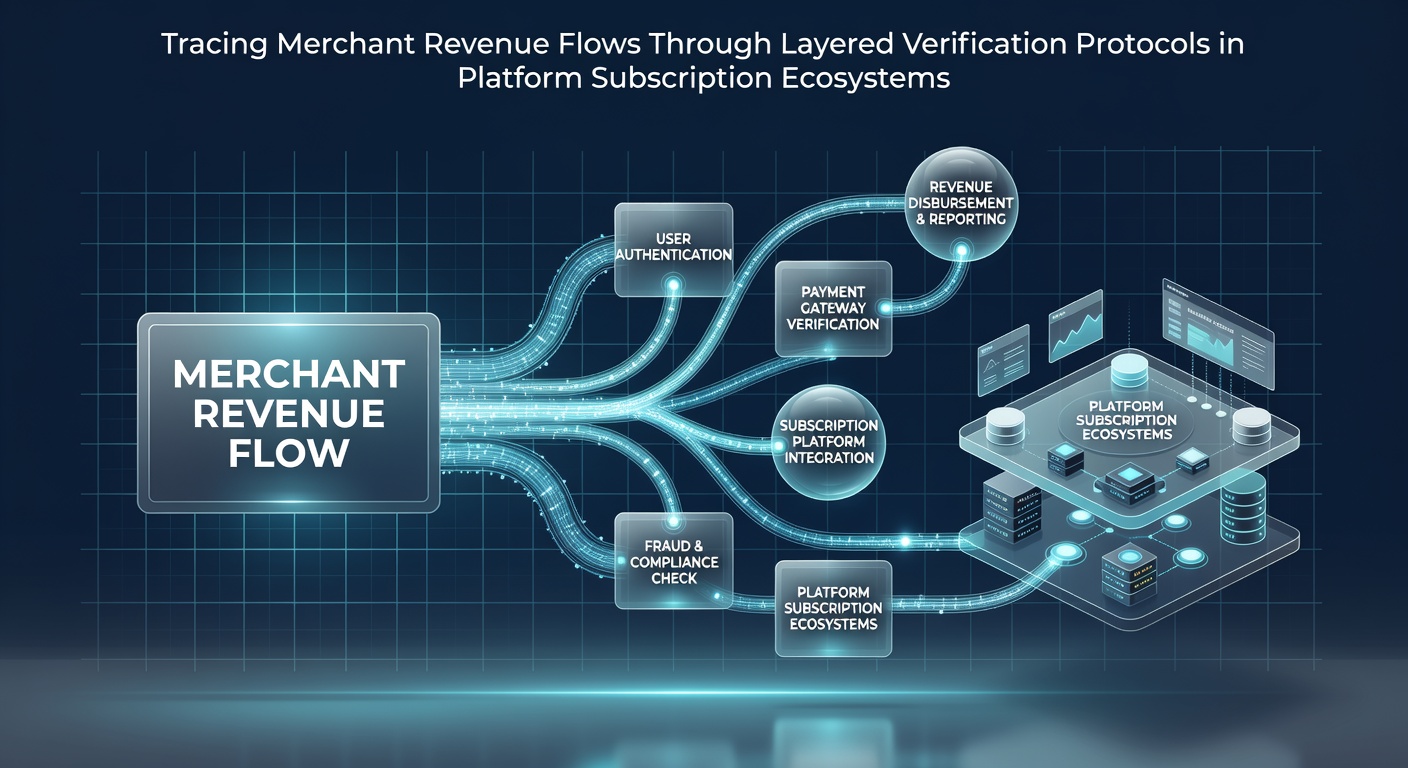
Platform subscription ecosystems rely on intricate systems where merchant revenue moves through sequential checkpoints that confirm transaction validity at every stage, and these layered verification protocols create traceable pathways from initial customer authorization to final settlement in merchant accounts. Observers note that such structures allow operators to monitor fund movements while maintaining compliance with regulatory frameworks across multiple jurisdictions.
Core Components of Revenue Tracing Mechanisms
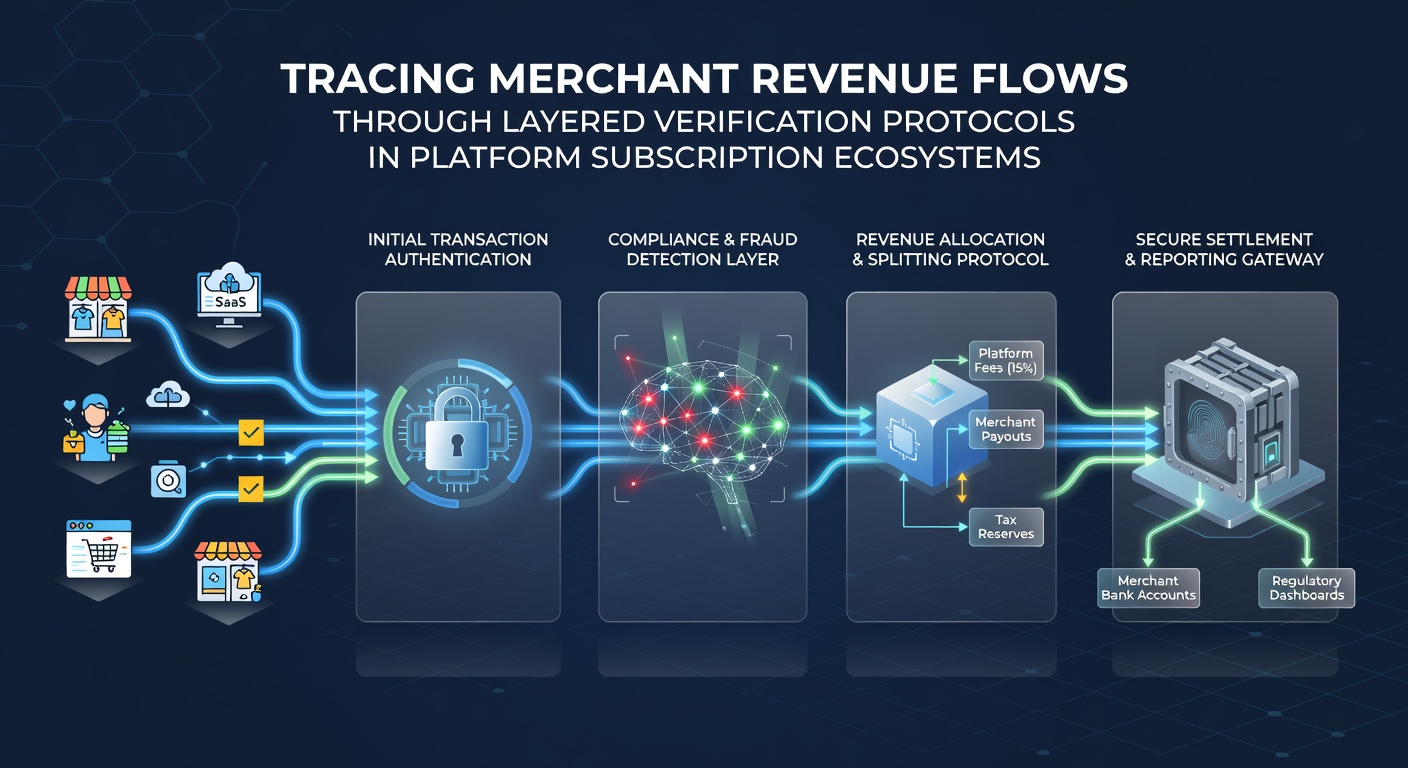
Revenue tracing begins when a subscriber initiates a recurring payment and the first verification layer authenticates the payment instrument against stored credentials, after which subsequent layers examine risk indicators such as device fingerprints, behavioral patterns, and geographic consistency before funds advance further. Researchers at institutions focused on financial infrastructure have documented how these sequential checks reduce discrepancies in reported merchant earnings by cross-referencing data points collected at each protocol stage.
Payment gateways serve as initial collection points where tokenization replaces sensitive card details with unique identifiers that persist across billing cycles, and this approach enables platforms to trace revenue without exposing raw financial data during repeated transactions. Data from payment processing networks indicates that token-based systems now handle the majority of subscription volume in major markets because they support seamless reconciliation between customer debits and merchant credits.
Integration of Multi-Stage Validation Processes
Layered protocols typically incorporate address verification systems, card security codes, and velocity checks that operate in parallel during the authorization phase, while machine learning models evaluate transaction histories to flag anomalies before revenue proceeds to clearing stages. According to reports from the Federal Reserve, these combined validations contribute to higher settlement success rates in recurring billing environments where merchants depend on predictable cash inflows.
Once initial approvals occur, funds enter processing pipelines that include acquirer-level reviews and network-level compliance screenings, and platforms maintain audit logs that connect each verification outcome to specific revenue entries. This documentation becomes essential when merchants reconcile subscription income against platform fees and chargeback adjustments that may arise weeks after initial collection.
Regulatory Influences on Protocol Design
Standards effective in June 2026 from European payment authorities will require enhanced traceability features in subscription platforms operating across member states, and these rules build on existing directives that mandate detailed reporting of revenue flows through verified channels. Platforms have already begun adjusting their verification sequences to accommodate stronger data retention requirements that link each authorization decision to downstream settlement records.
Industry analyses from the Reserve Bank of Australia highlight how verification layering supports accurate tax reporting for merchants by creating immutable records of when and how subscription revenue enters business accounts, and similar practices appear in frameworks used by Canadian financial regulators that emphasize consumer protection alongside merchant operational transparency.
Operational Benefits for Platform Participants
Merchants gain visibility into revenue sources through dashboards that aggregate verification outcomes across multiple subscription tiers, enabling them to identify which customer segments produce the most stable inflows after passing all protocol stages. Case studies from payment service providers show that platforms employing comprehensive tracing reduce reconciliation times because discrepancies surface earlier in the flow rather than during end-of-month accounting cycles.
Subscription models benefit when verification layers adapt dynamically to transaction volume, and systems automatically escalate high-value or unusual payments for additional human review while routing routine renewals through automated pathways. This tiered approach maintains processing speed for the bulk of recurring charges while preserving detailed trails for revenue that requires closer examination.
Conclusion
Tracing merchant revenue through layered verification protocols establishes reliable connections between customer payments and final merchant receipts in subscription ecosystems, and these mechanisms continue to evolve alongside regulatory updates scheduled for implementation in coming years. Platforms that maintain robust documentation at each verification stage position themselves to meet reporting obligations while supporting accurate financial tracking for participating merchants across different regions.