Unpacking Synchronization Methods Between Authorization Layers and Revenue Scheduling in Worldwide Digital Trade Networks
Written by Parker Carter · Jul 28, 2026
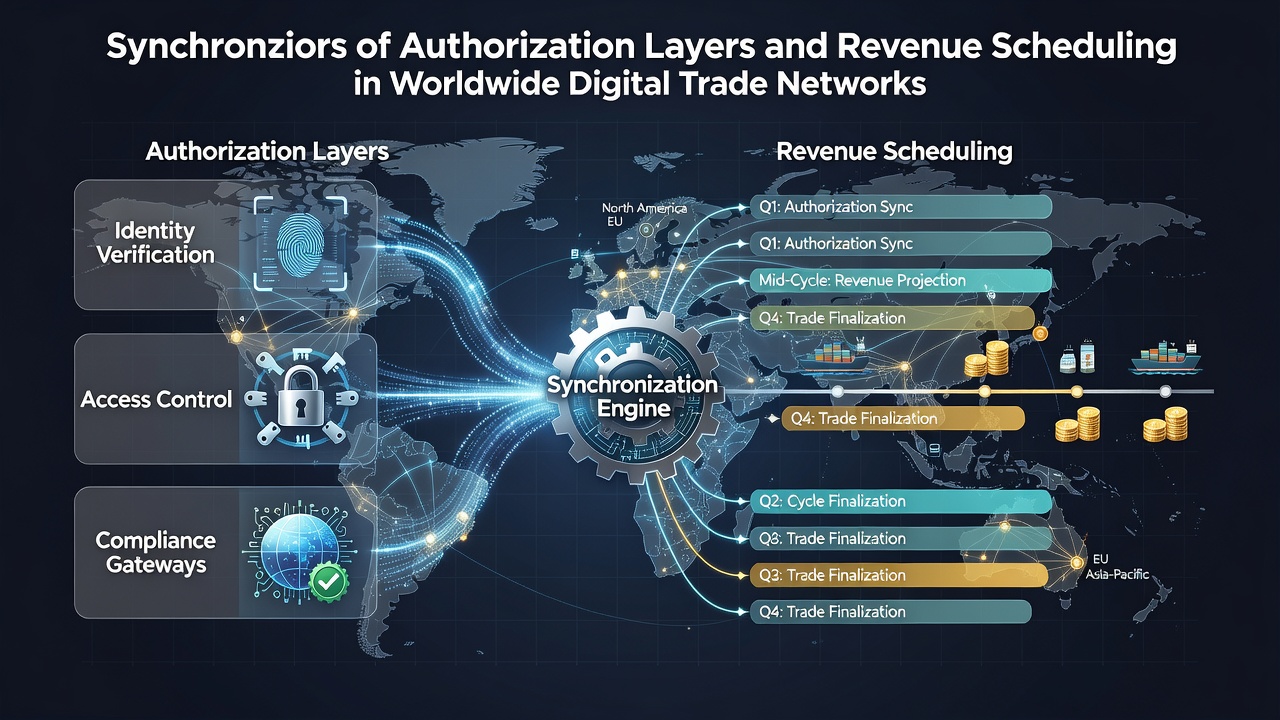
Unpacking Synchronization Methods Between Authorization Layers and Revenue Scheduling in Worldwide Digital Trade Networks
Authorization layers handle verification steps that confirm transaction validity while revenue scheduling manages the timing and collection of payments across borders, and observers note these components must align precisely in digital trade networks that span multiple jurisdictions. Data from international financial bodies indicate that misalignment often leads to delays in fund transfers, particularly when platforms process high volumes of cross-border subscriptions and one-time sales simultaneously. Researchers at institutions tracking digital commerce have documented how real-time checks in authorization systems feed directly into scheduling algorithms that determine invoice generation and settlement dates.
Core Components of Authorization Layers
Authorization layers typically incorporate identity verification, risk scoring, and compliance checks that draw from databases maintained by payment processors and regulatory agencies. These layers operate through APIs that query external services for credit status and fraud signals before approving any revenue-generating activity. According to reports issued by the Bank for International Settlements, synchronization improves when authorization protocols transmit approval codes instantly to billing engines that then adjust scheduled collections based on the outcome of each verification.
Revenue Scheduling Mechanisms
Revenue scheduling systems rely on calendar-based triggers and event-driven rules to issue invoices, apply recurring charges, and allocate funds to merchant accounts. In worldwide networks, these mechanisms account for currency fluctuations and tax obligations that differ by region, which requires constant updates from authorization results to avoid failed collections. Studies compiled by the OECD show that platforms integrating these schedules with live authorization data experience fewer reconciliation errors during monthly reporting cycles.
Synchronization Techniques in Practice
One established method involves event streaming platforms that push authorization outcomes directly into scheduling queues, allowing revenue systems to recalculate due dates without manual intervention. Another approach uses shared data repositories where both layers access a unified ledger of transaction states updated in milliseconds. Experts tracking digital trade note that middleware solutions often bridge legacy authorization tools with modern scheduling software, particularly in networks serving merchants across Asia, Europe, and North America.
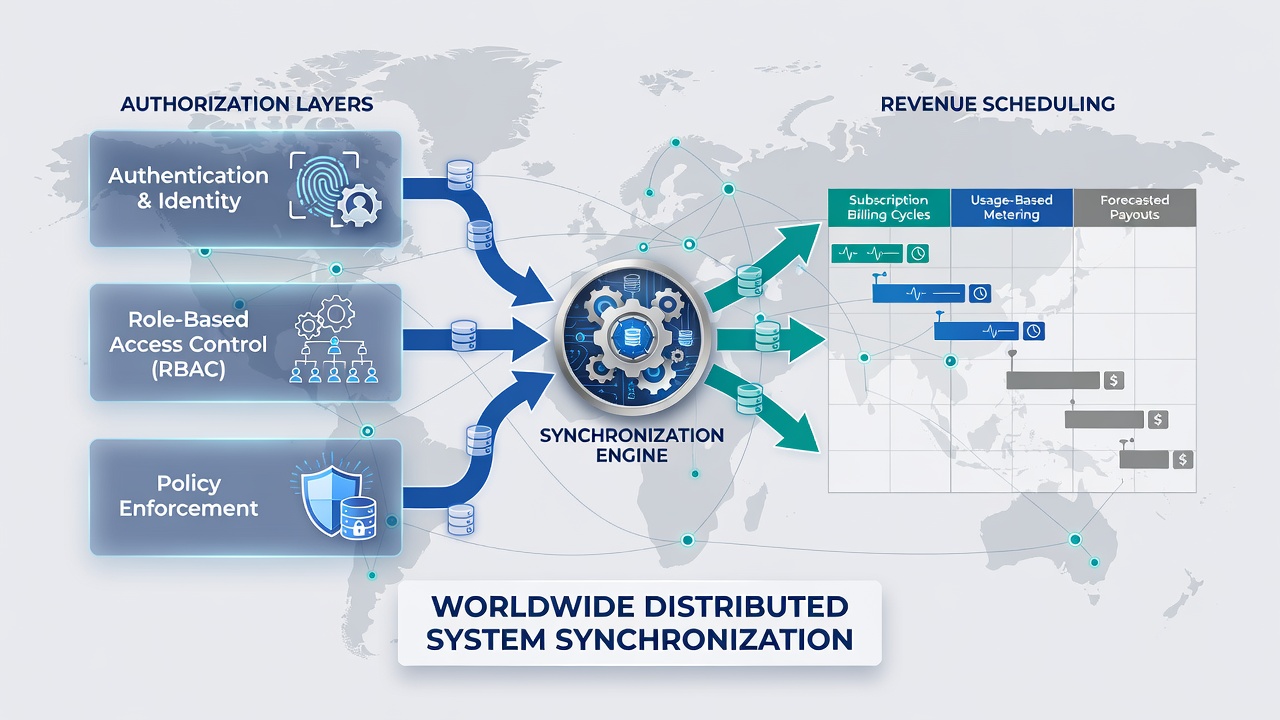
Token-based handoffs represent a third technique where temporary credentials carry authorization details forward to trigger scheduled revenue events, reducing the need for repeated database lookups. Figures released in mid-2025 by various central banks reveal that networks employing these methods processed higher transaction success rates during peak periods compared with those relying on batch updates.
Global Implementation Patterns
Worldwide digital trade networks face additional complexity from varying data protection rules and settlement timelines that differ between the European Union, the United States, and emerging markets in Latin America. Synchronization protocols must therefore incorporate regional compliance flags that adjust revenue schedules automatically when authorization detects restrictions. In July 2026, several industry consortia plan to roll out updated API standards designed to streamline these adjustments across participating platforms.
Those who monitor cross-border flows observe that platforms operating in multiple currencies often embed exchange-rate buffers within scheduling logic, pulling fresh authorization signals to recalibrate expected revenue amounts. Research papers from academic centers studying fintech integration highlight cases where such buffers prevented revenue shortfalls during periods of volatility in major trading pairs.
Technical Integration Challenges
Latency between authorization responses and scheduling updates remains a persistent issue in high-volume environments, prompting developers to adopt edge computing nodes that localize decision-making. Data pathways must also handle partial authorizations, where only certain line items in a multi-item order receive approval while others trigger schedule modifications. Observers in the field report that robust logging mechanisms help reconcile these discrepancies during end-of-day processing across global networks.
Conclusion
Effective synchronization between authorization layers and revenue scheduling continues to shape operational efficiency in worldwide digital trade networks, with ongoing refinements driven by regulatory updates and technological advances. Platforms that maintain tight integration between these functions demonstrate more consistent settlement performance according to aggregated industry metrics. As standards evolve through 2026 and beyond, further alignment techniques will likely emerge to address the expanding scale of cross-border digital commerce.